

Rolling Through Memory: The Freedom Colony Bus Tour Reconnects Descendants to Sacred Ground
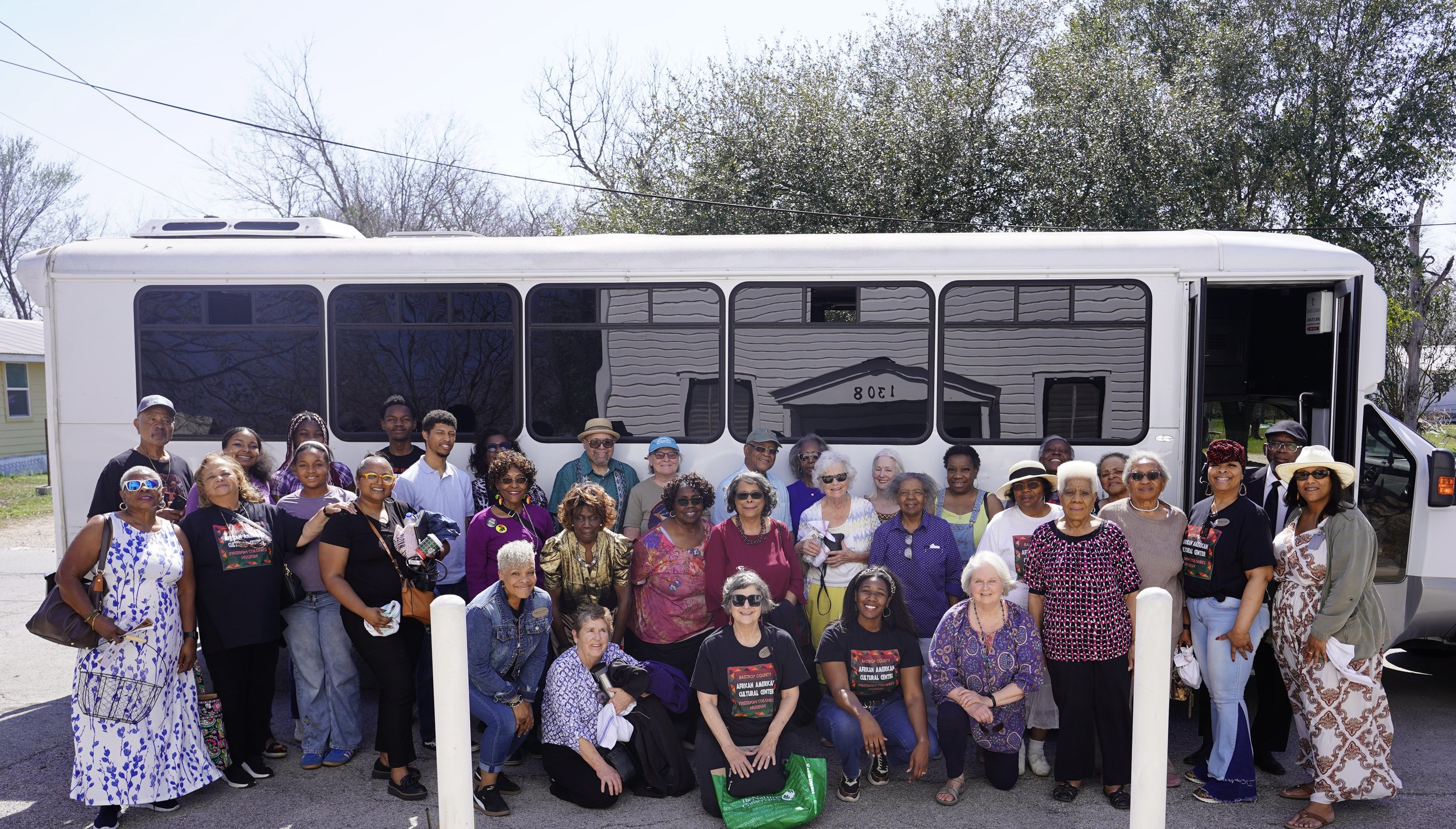
Thirty-five participants — including descendants, museum staff, and the bus driver — gathered for a group photo at the close of the first Freedom Colony Bus Tour. Together, they marked not just a journey across Bastrop County, but a shared commitment to preserving sacred stories. More tours are promised soon.
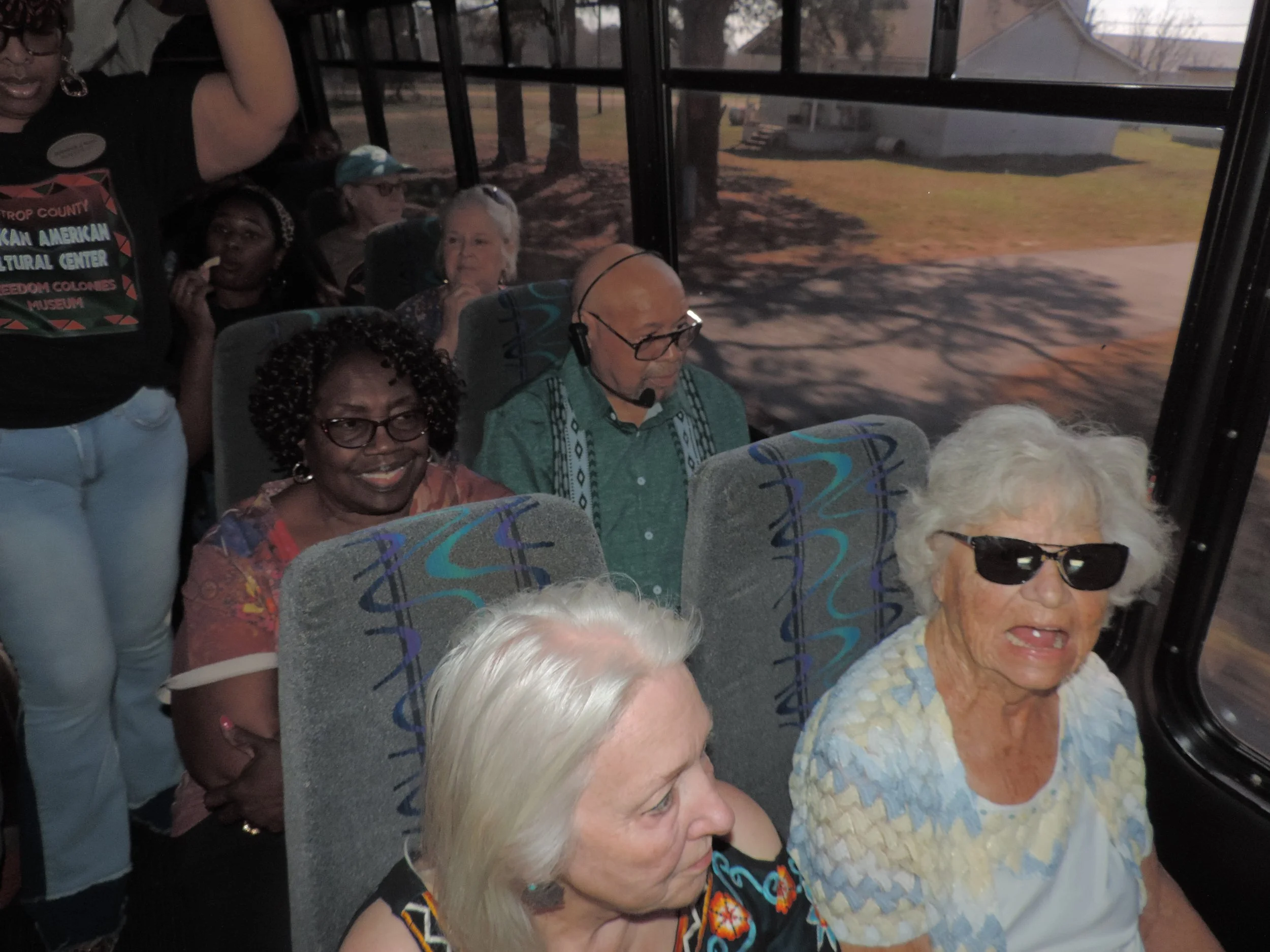
The Bastrop County African American Cultural Center & Freedom Colony Museum recently hosted a bus tour that did far more than transport passengers from one location to another. It carried descendants, elders, students, and community supporters across sacred ground — into the living heart of Bastrop County’s Freedom Colonies.
Established between 1865 and 1930 by formerly enslaved people, Freedom Colonies were more than settlements. They were declarations. Land ownership. Self-governance. Faith-rooted resilience. Education built from scratch. These communities were born from the determination to define freedom on their own terms.
The tour stopped at three historic Freedom Colonies, each site layered with testimony, memory, and sacred responsibility.
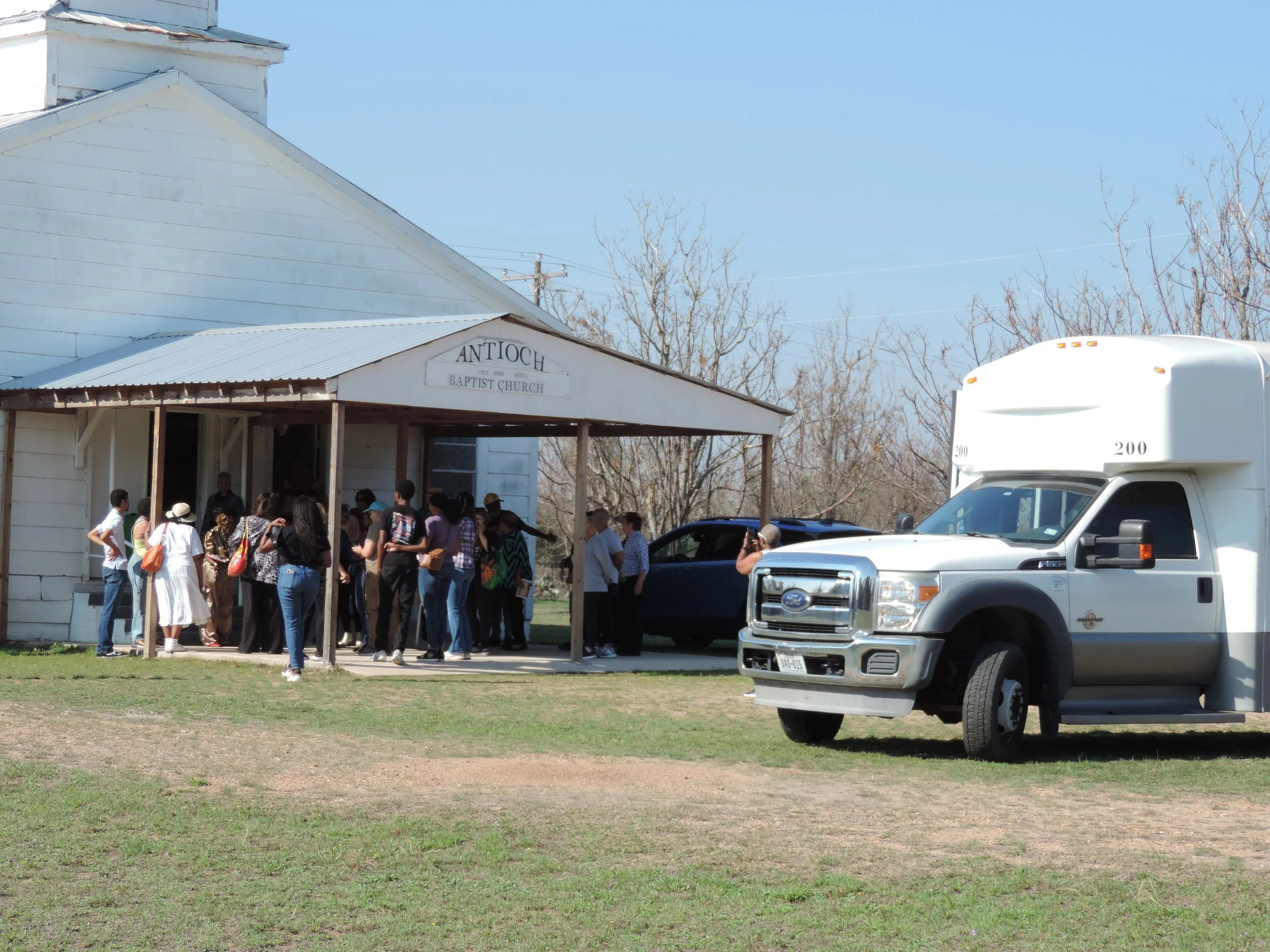
Hills Prairie: Sacred Earth and Standing Faith
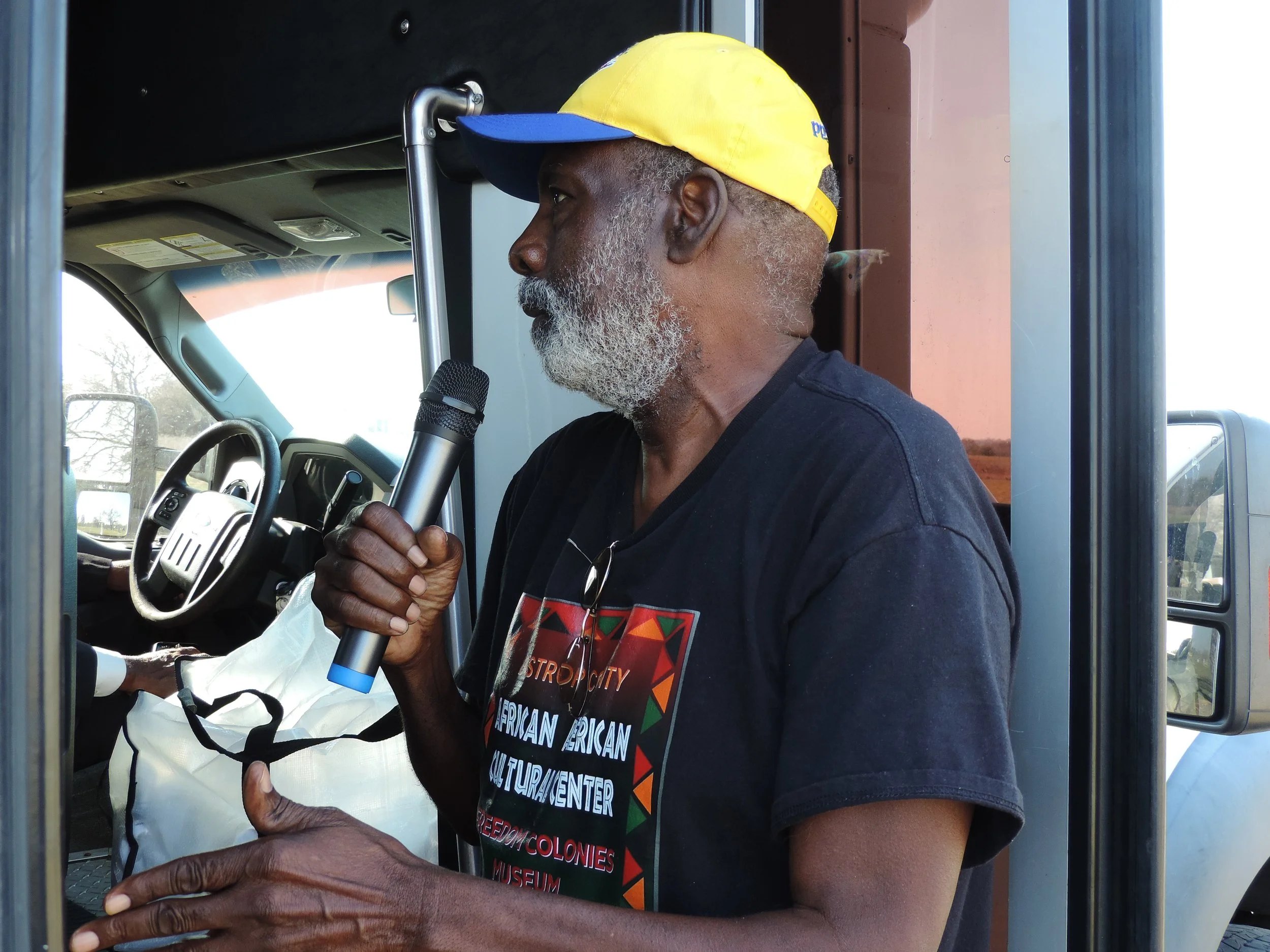
The first stop brought participants to East Clearview Cemetery in Hills Prairie, where T.C. Clemons shared the significance of the 10.2-acre burial ground. Graves dating back to 1888 rest there — marked and unmarked — tended by descendants who understand that preservation is an act of love.
Cemeteries within Freedom Colonies are more than final resting places. They are archives. Names carved in stone anchor genealogies that stretch across centuries.
From there, the group moved to Antioch Church, where Eliza Veal Fanuel reflected on its construction and endurance. Built “stone by stone, brick by brick,” the church stands as testimony to faith forged in hardship. What enslaved hands once shaped under bondage later became sanctuaries of autonomy and spiritual refuge.
Inside those walls, history is not abstract — it breathes.
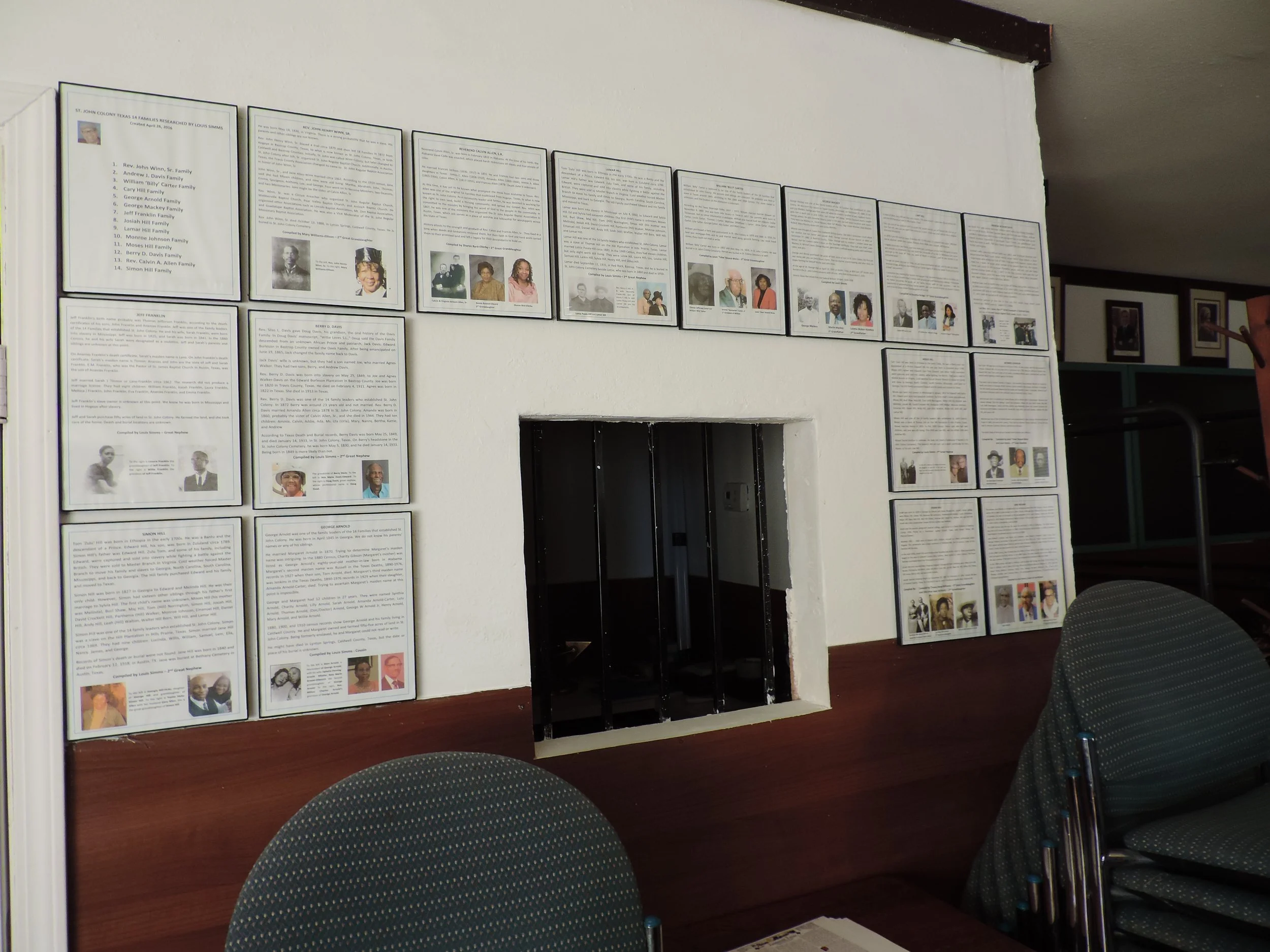
St. John’s Colony: Memory Keepers Speak
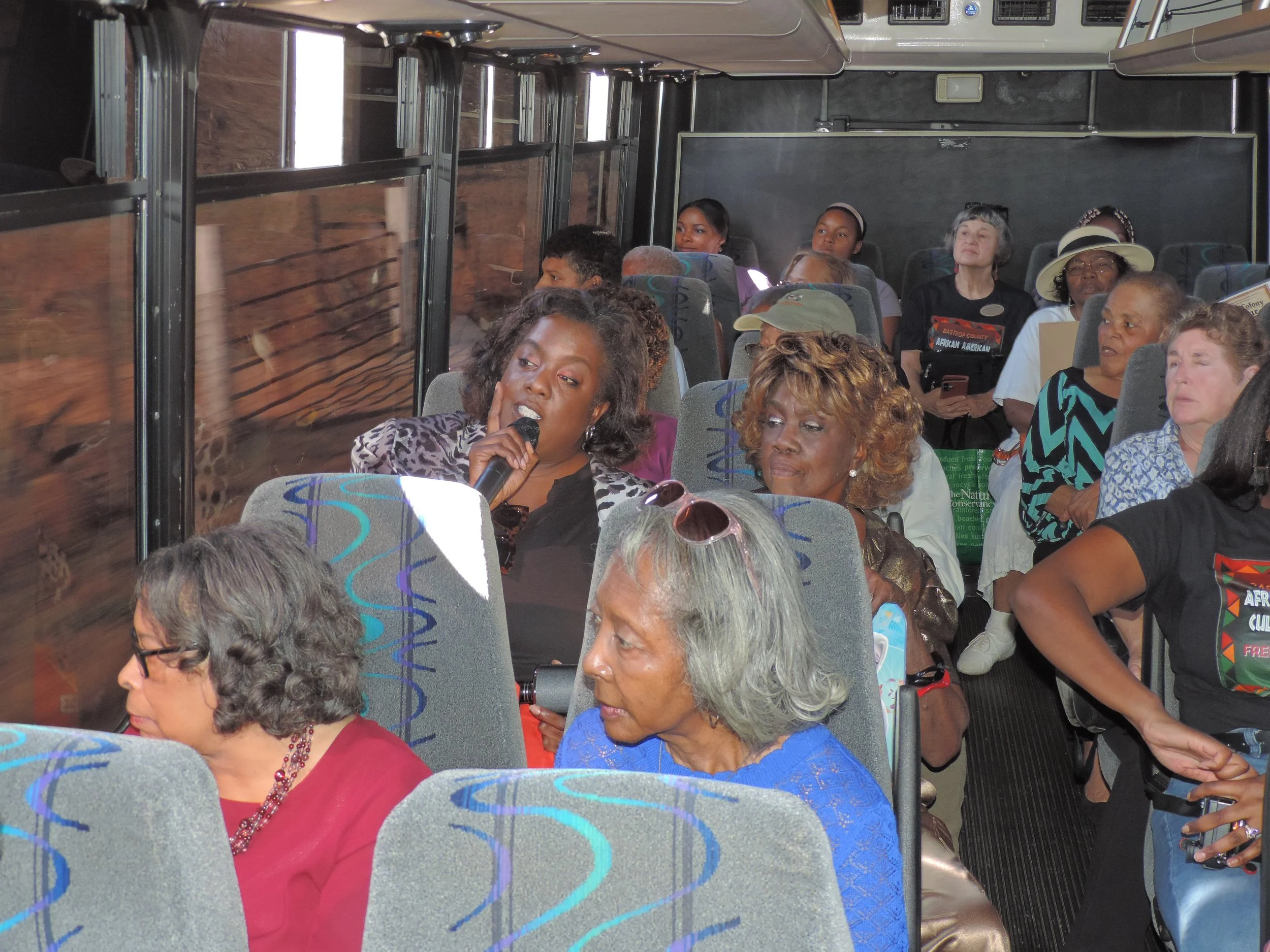
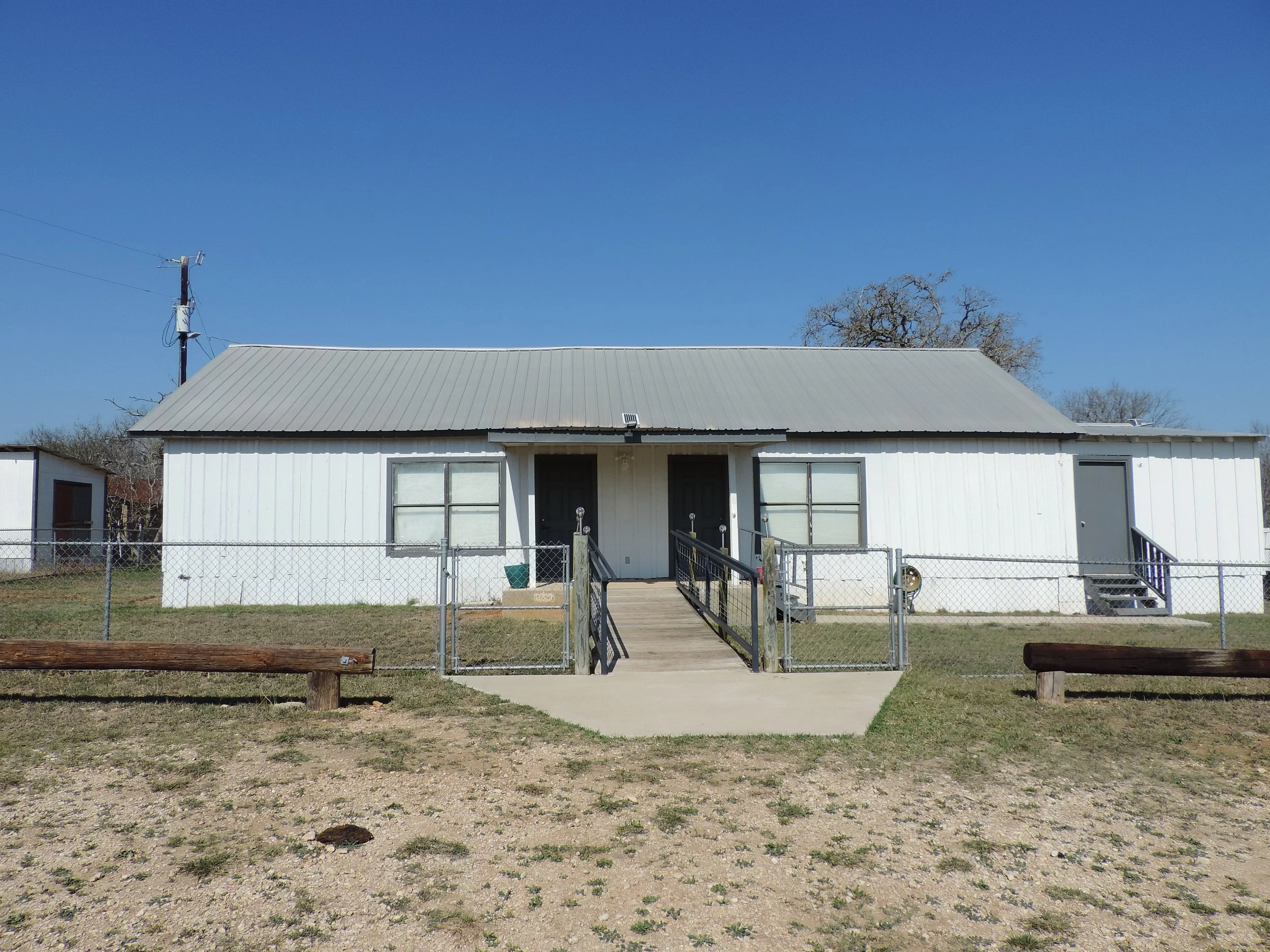
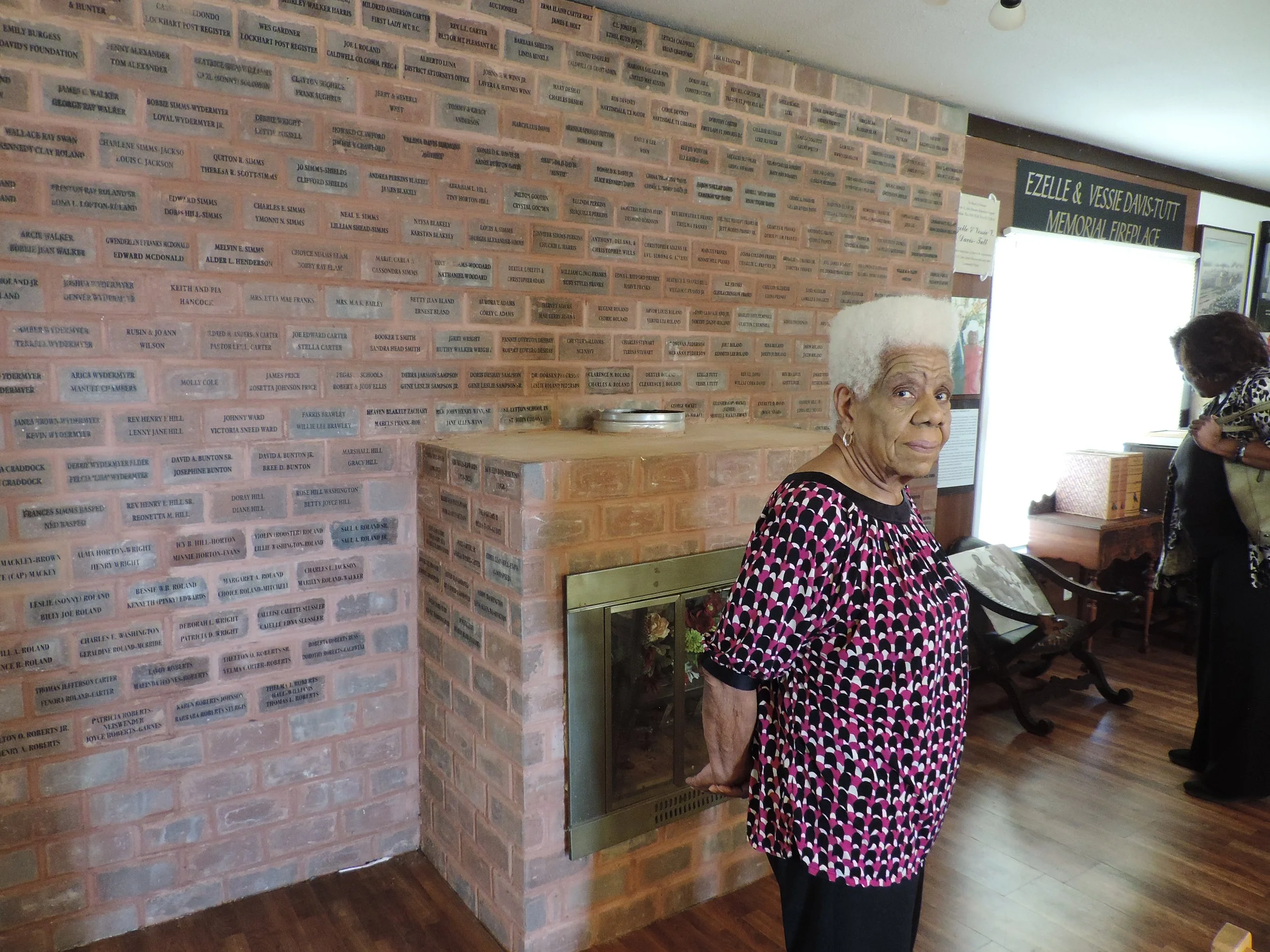
At St. John’s Colony, Louis Simms spoke as both historian and descendant. His words carried the weight of lived experience — stories passed down through kitchens, porches, church pews, and family reunions.
In Freedom Colonies, history was not always written in textbooks. It was spoken, remembered, and protected in community. Simms’ presence reminded participants that descendants are the living bridge between past and future.
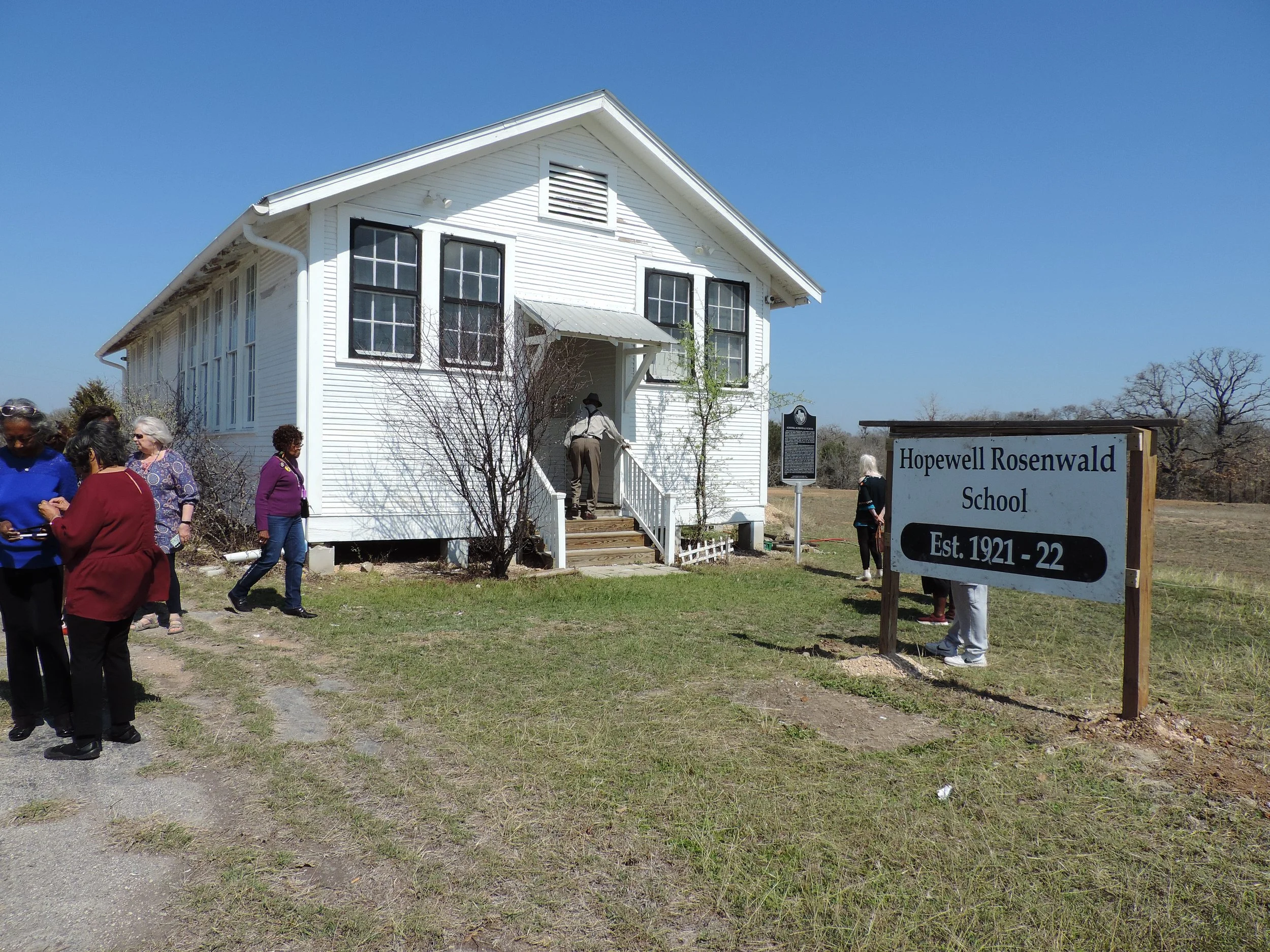
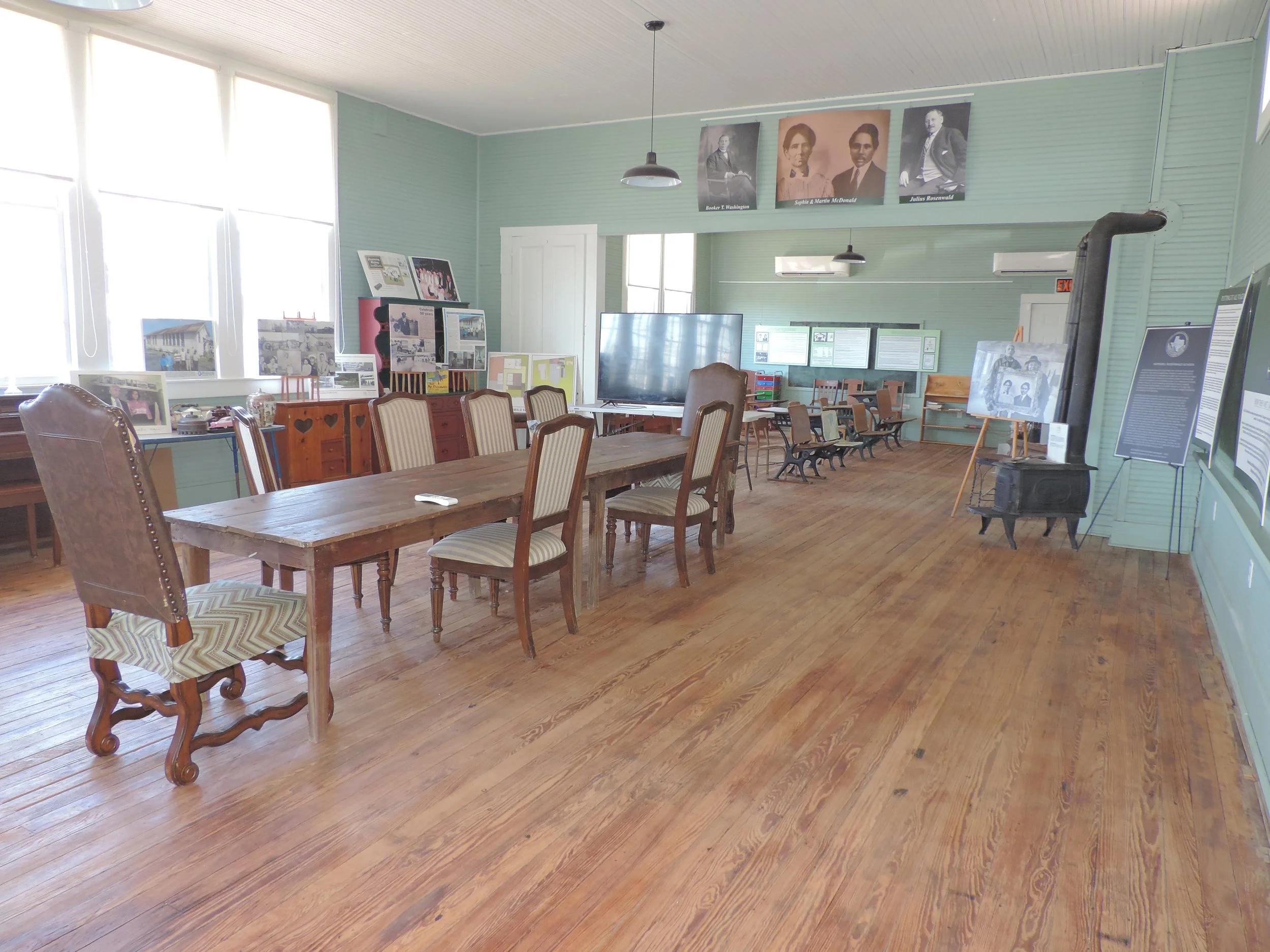
Hopewell Rosenwald School: Education as Liberation
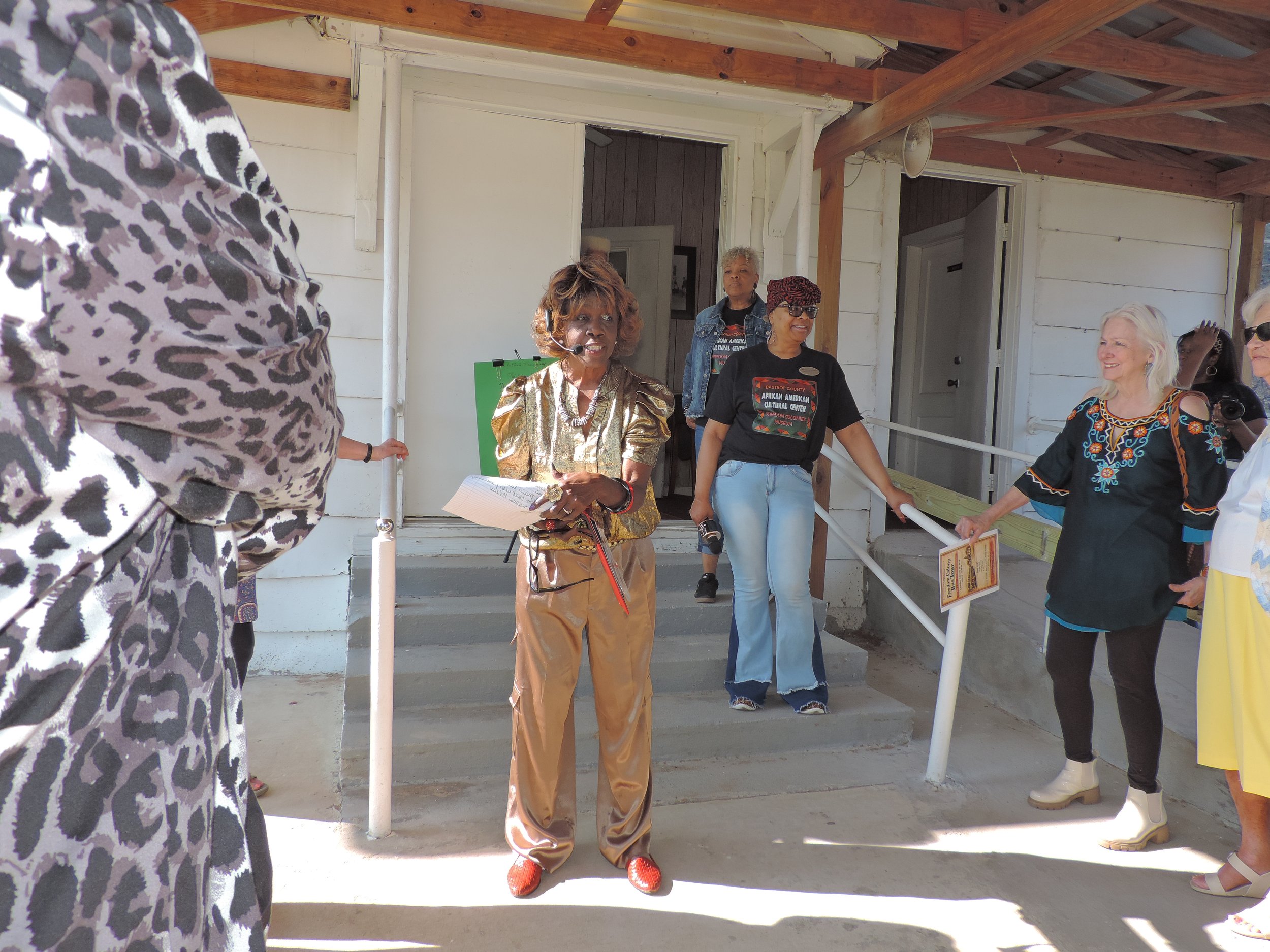
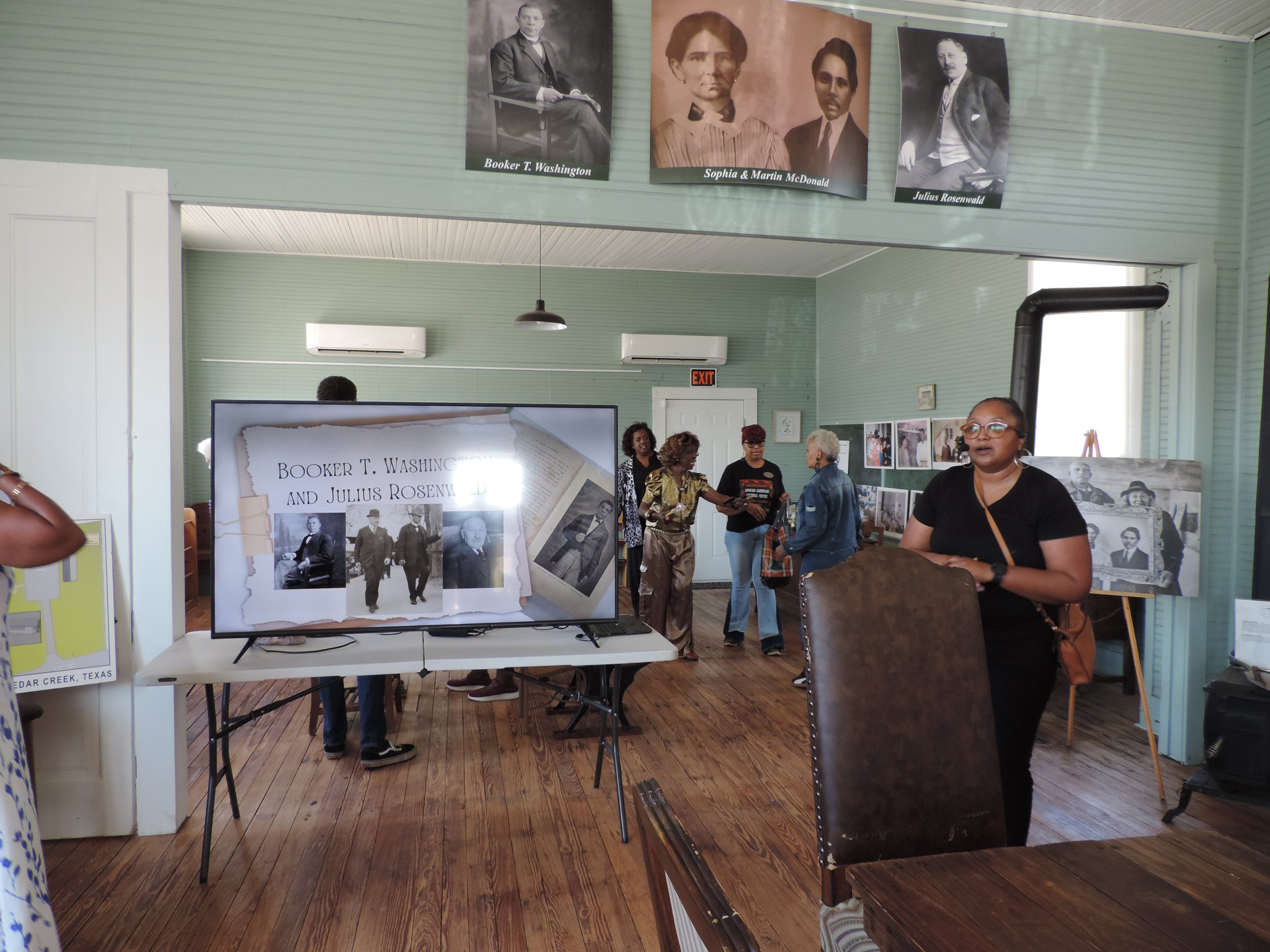
The final stop brought the tour to the Hopewell Rosenwald School in Cedar Creek, where Shawanda Brown Stewart shared reflections supported by Belinda Davis and Pam Jones.
Rosenwald Schools were part of a historic partnership between Black communities and philanthropist Julius Rosenwald in the early 20th century, created to provide educational opportunities for Black children in the segregated South. Hopewell stands as proof of what collective sacrifice can build.
Parents donated land. Families raised funds. Communities constructed the buildings themselves. Education was not given — it was secured.
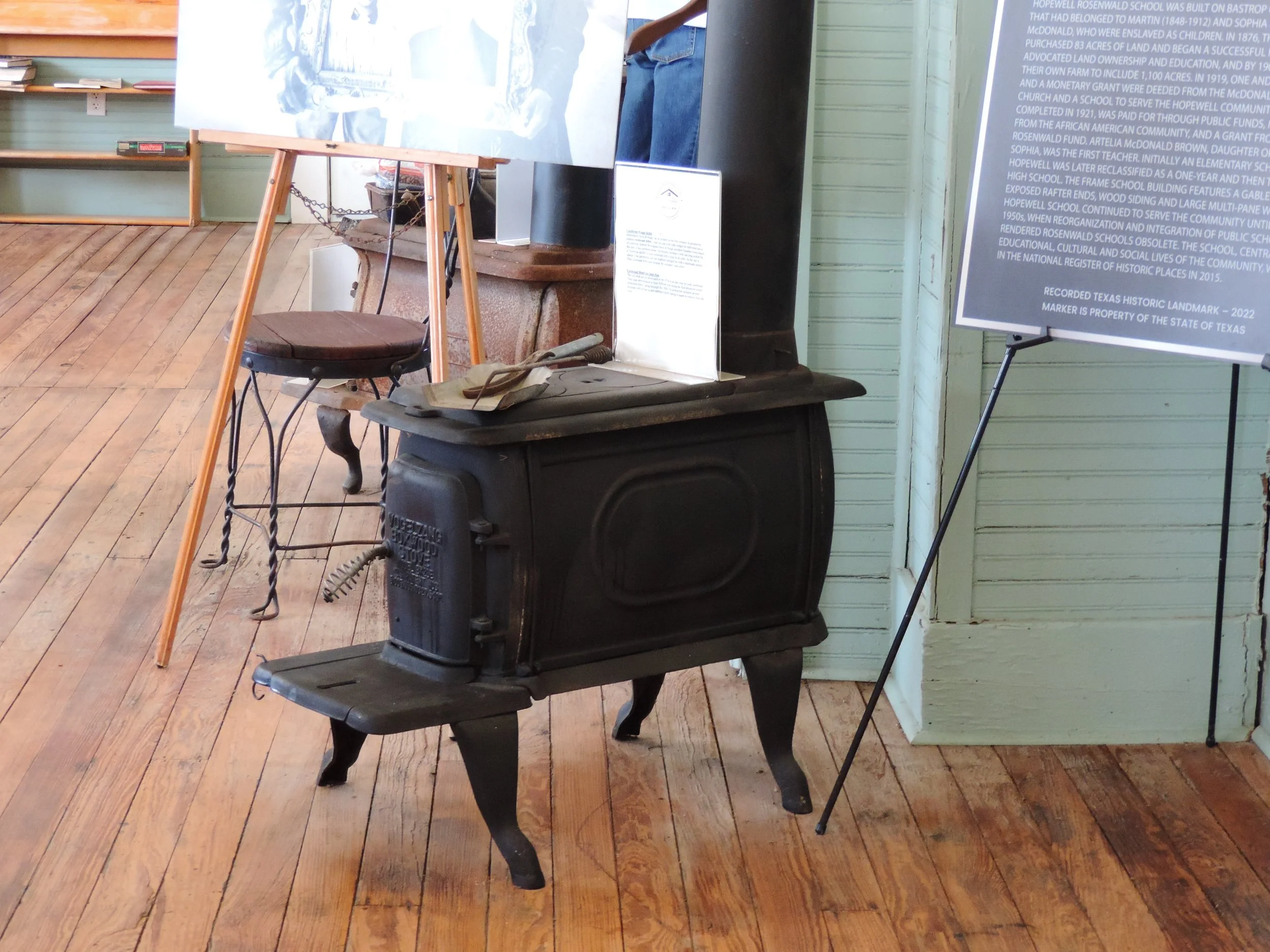
Standing inside the school, participants were reminded that literacy and learning were radical acts of resistance. To read. To write. To own land. To worship freely. To bury one’s own with dignity. These were not small victories — they were revolutionary.
An Invisible History Made Visible
Throughout the journey, one truth echoed clearly: these stories are not secondary to Texas history — they are Texas history.
The Freedom Colonies of Bastrop County were once described as “invisible.” Yet on this bus tour, they were anything but. Descendants spoke names aloud. Sacred sites were revisited. Land was honored. Memory was restored.
Participants did not simply observe history. They walked it. They stood upon it. They listened to those who carry it.
In preserving cemeteries, churches, schools, and stories, the work continues — not just for nostalgia, but for identity. For belonging. For truth.
The Freedom Colony Bus Tour was more than an event. It was a reaffirmation that the dream of land, faith, education, and self-determination — planted by formerly enslaved ancestors — still anchors Bastrop County today.
And the descendants are making sure it will not be forgotten.
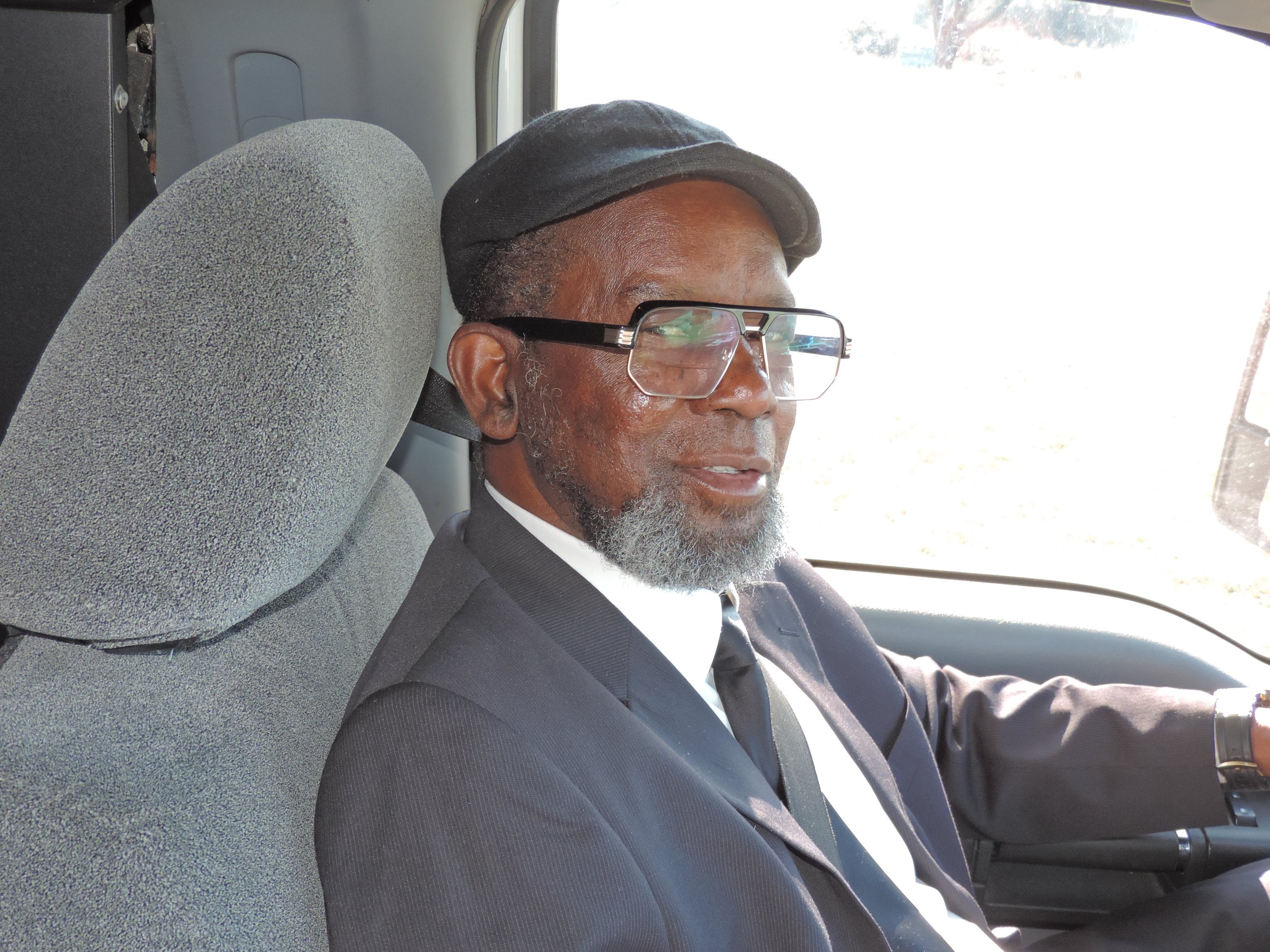
We extend heartfelt gratitude to our driver, Elroy Green, for guiding 34 souls safely to and from our base location during the Freedom Colony Bus Tour. Your steady hands, calm presence, and care allowed us to focus fully on history, reflection, and connection. Thank you for carrying more than passengers — you carried legacy.
Made possible through the Bastrop County Freedom Colonies Preservation Project, supported by a grant from the (Out)sider Preservation Initiative (OPI), a Mellon-funded national program empowering descendant communities to tell their own stories.
