
Telling Your Story Before It’s Lost to Time
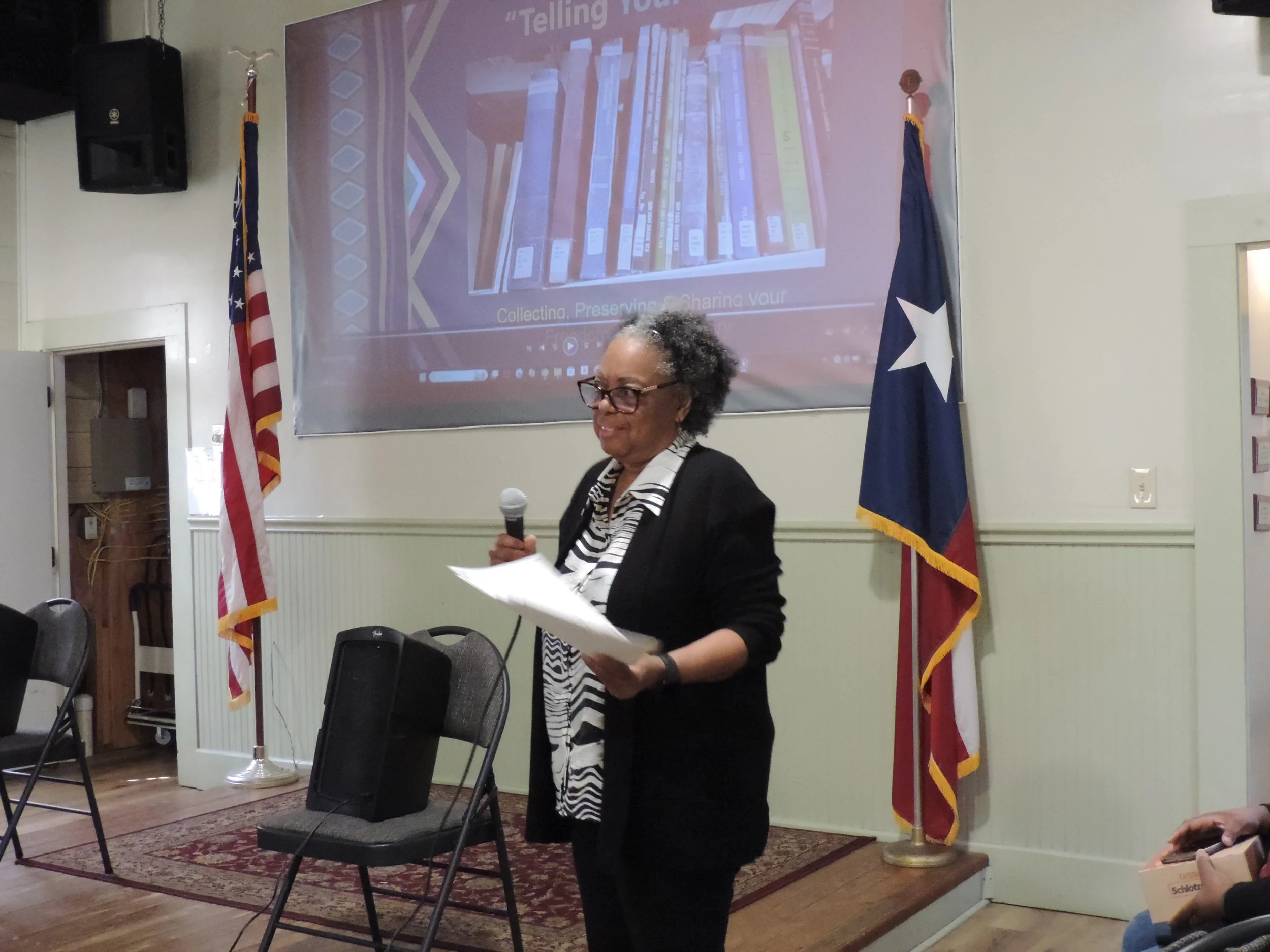
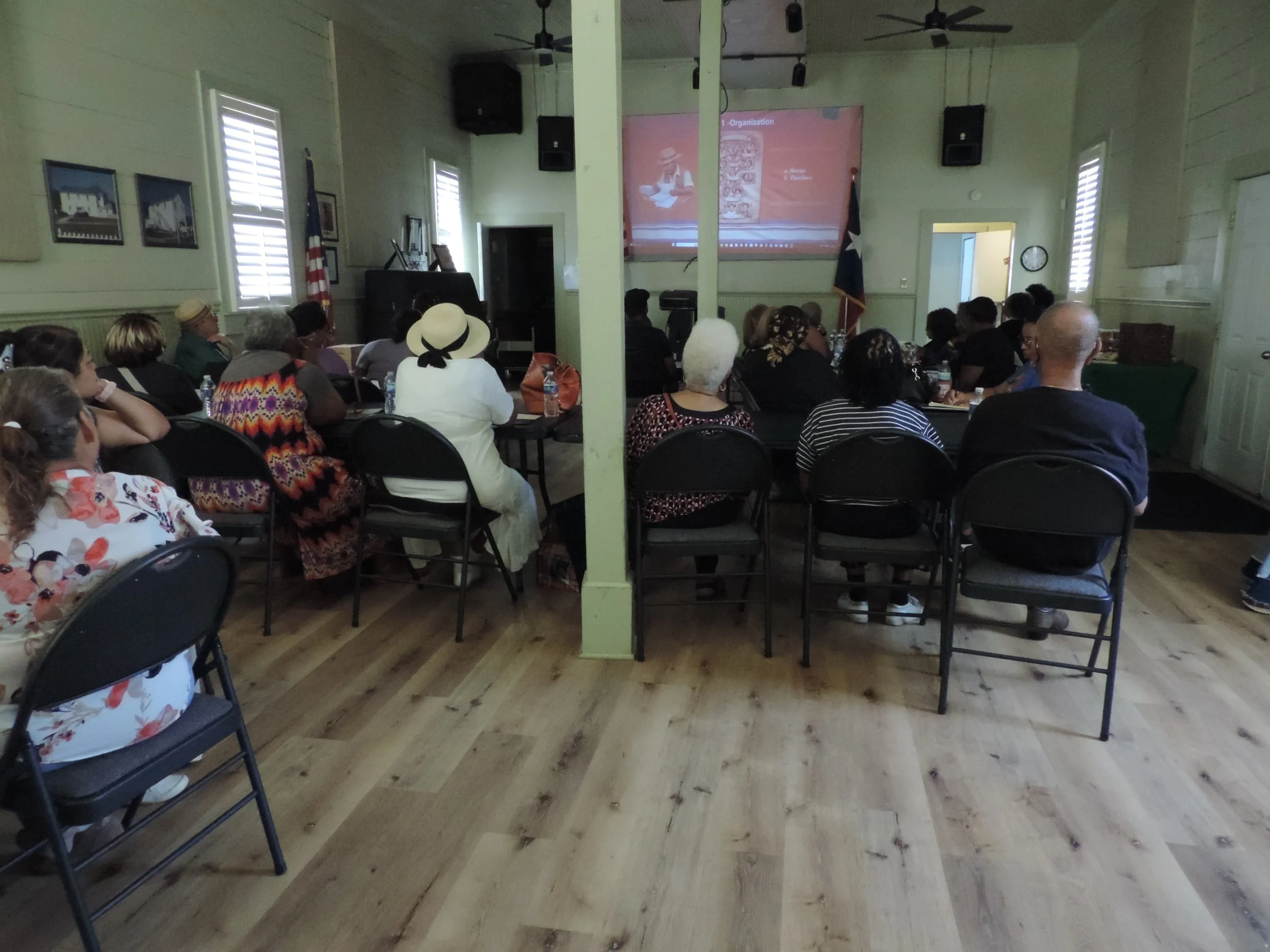
On a quiet Saturday afternoon at the Kerr Community Center, chairs filled with elders, descendants, writers, and community memory keepers gathered for a workshop that felt less like a presentation and more like a passing of responsibility.
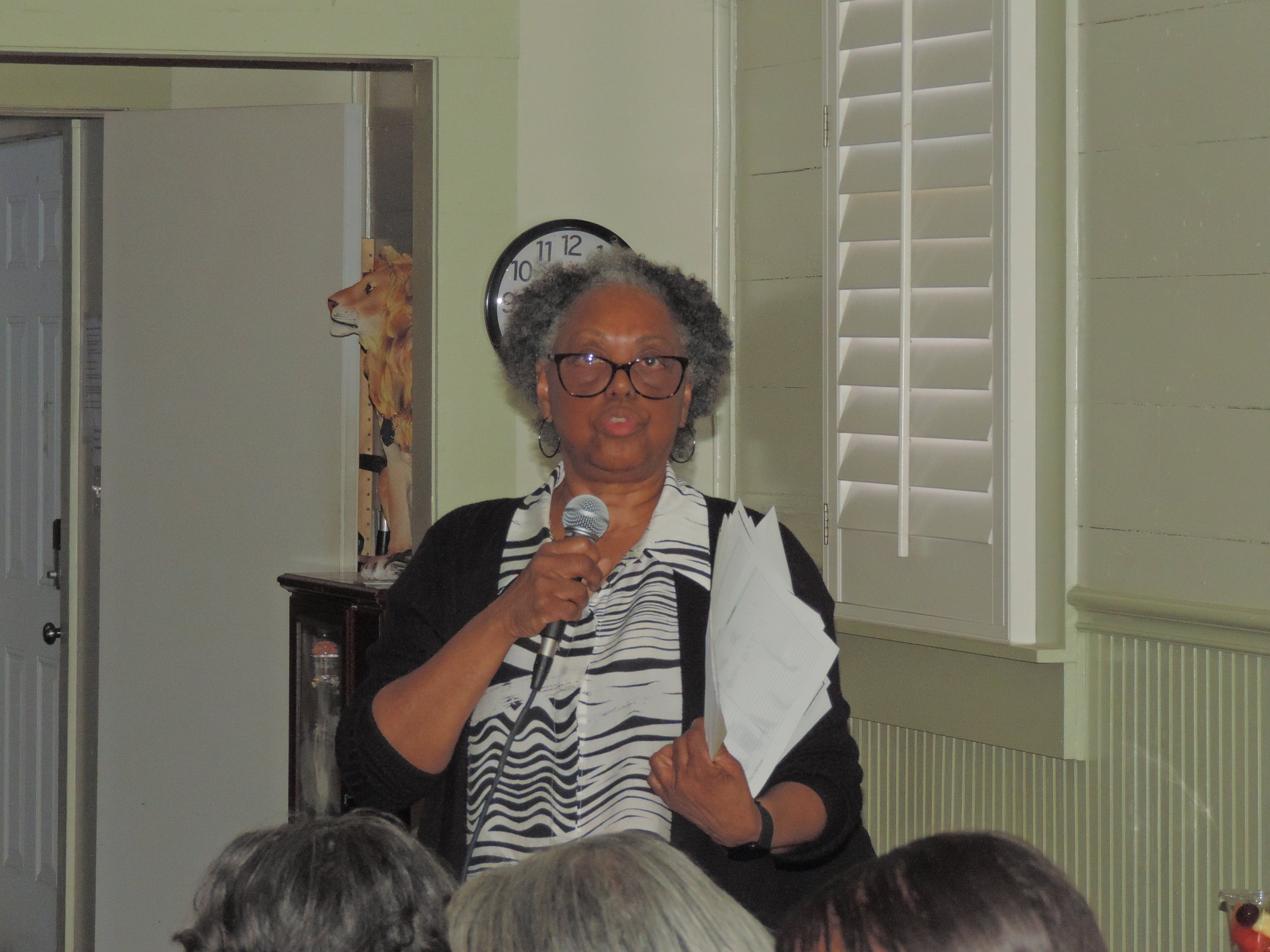
The workshop—“Telling Your Story”—was presented by Gloria Rainwater, a Texas Southern University graduate and classmate of the host, introduced not only as a scholar but as a woman deeply rooted in Freedom Colony history. Her voice was calm but purposeful. Her mission was clear.
“We are the last generation,” she reminded the room, “who remembers our grandparents and great-grandparents—the ones directly connected to the Freedom Colonies. If we don’t preserve our stories, they will be lost.”
And with that, the work began.
More Than Names and Dates
Rainwater’s presentation opened poetically—invoking spirit, land, and legacy. Then she moved into the practical: storytelling, she explained, is not accidental. It is intentional. It requires structure.
She outlined a four-step Freedom Colony storytelling process:
Organization
Story Collection
Record Collection
Preservation
Without organization, she warned, storytelling becomes overwhelming. Whether handwritten in binders or digitized in Word documents, Excel spreadsheets, or genealogy software, information must be stored intentionally. Names. Dates. Relationships. Context.
But she was careful to clarify: this work is not just about genealogy charts.
“It’s not just about names and dates,” she said. “It’s about timelines. It’s about telling the story generation by generation.”
She walked the audience through generational markers—from the Emancipation Generation to the Greatest Generation, the Silent Generation, Baby Boomers, Gen X, Millennials, and beyond—placing Freedom Colony history inside larger national and global movements. Wars. Segregation. The Cold War. Migration. Social change.
The room nodded. People saw themselves inside the timeline.
Preserving Freedom Colony History
Rainwater spoke passionately about her own research into Central Union and discovering 161 surnames connected to the colony. That discovery required systems—places to document names so descendants could one day find themselves.
She emphasized privacy, ethics, and consent—especially when using digital platforms. She cautioned against photographing or recording copyrighted materials used for educational purposes.
The message was clear: preserve responsibly.
And preserve fully.
Because Freedom Colony history, she reminded the audience, “had a lot of joy in it. Had a lot of pain in it.”
Both deserve to be recorded.
The Workshop Becomes Action
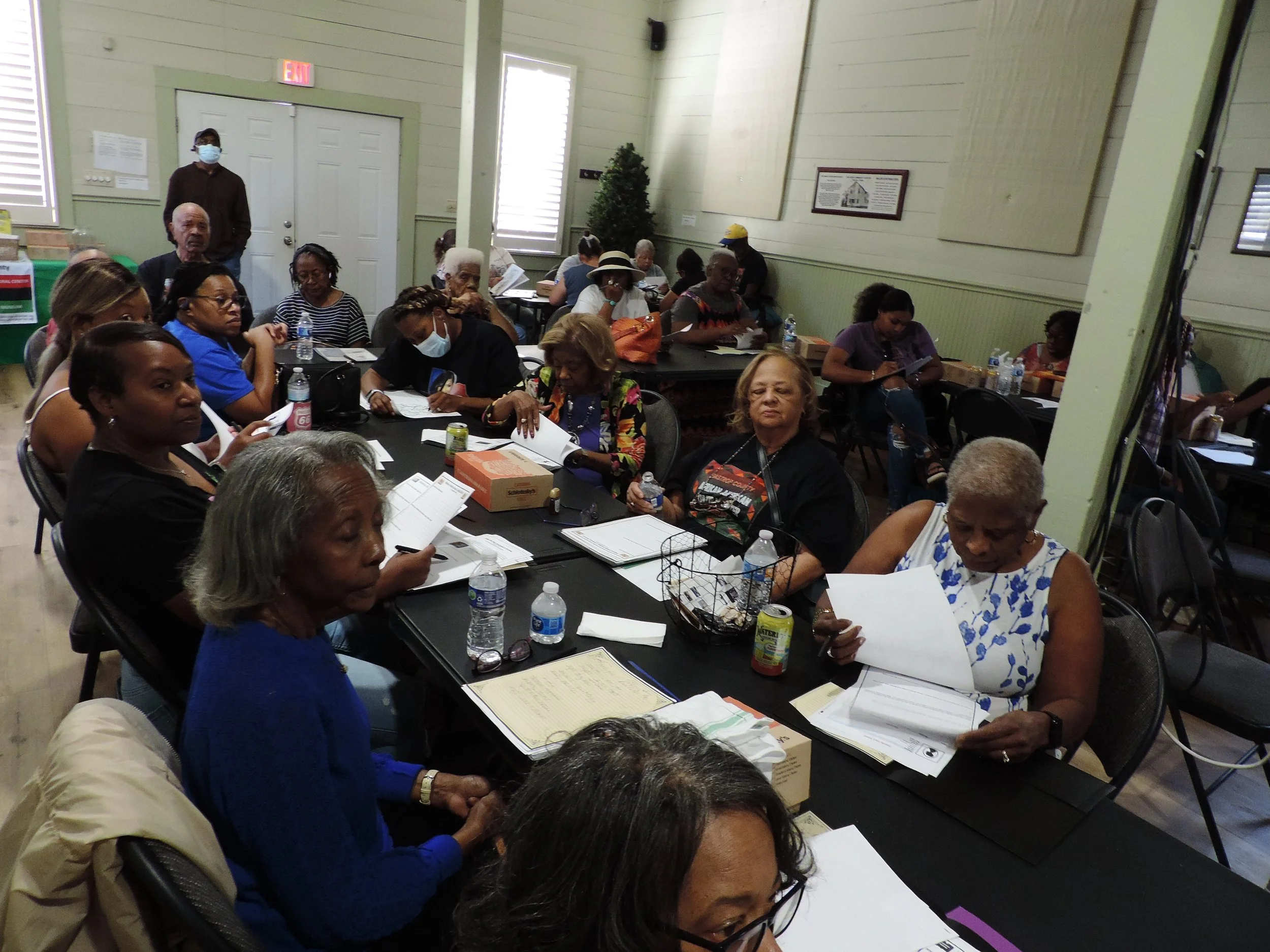
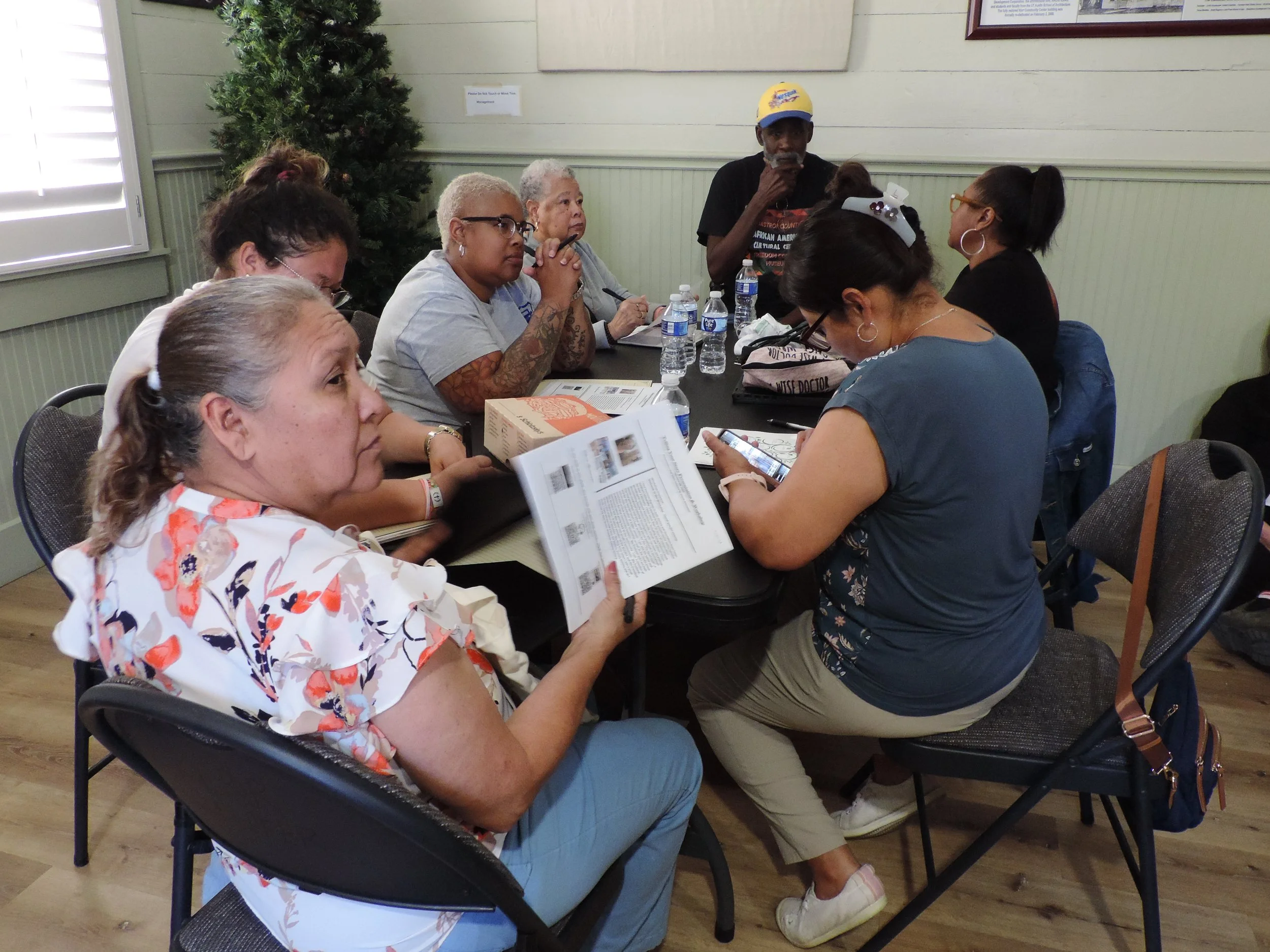
After the presentation, the workshop portion began. Participants received note pages and writing prompts. Pens scratched paper. Conversations sparked. People began mapping their own family timelines.
It was quiet work—but powerful.
Because in that room, preservation was no longer abstract.
It was happening.
A Community That Writes Itself into History
What made the afternoon especially meaningful was the setting. The Kerr Community Center—an institution built by and for community—became the backdrop for descendants learning how to archive their own lineage.
Not waiting on institutions.
Not waiting on permission.
Not waiting for someone else to tell it.
The stories belong to them.
And as Rainwater reminded the room, once recorded and preserved, they cannot be erased.
The work of Freedom Colony preservation is detailed. It is time-consuming. It requires courage and patience. But it is deeply worth it.
Because when we tell our stories—generation by generation—we anchor ourselves to something larger than memory.
We anchor ourselves to legacy.
And legacy, once written, cannot be lost to time.
Made possible through the Bastrop County Freedom Colonies Preservation Project, supported by a grant from the (Out)sider Preservation Initiative (OPI), a Mellon-funded national program empowering descendant communities to tell their own stories.
