

Sister Moses: When History Rose and Moved in Bastrop
On a quiet February evening, the lights outside the Jerry Fay Wilhelm Center for the Performing Arts glowed with anticipation. Inside, the final performance of Sister Moses: The Story of Harriet Tubman prepared to take the stage—closing the night not with applause alone, but with remembrance.
Presented by Desert Dance Theatre and hosted by the Kerr Community Center in partnership with the City of Bastrop, the production marked a powerful Black History Month offering—one that did more than retell history. It embodied it.
From the moment guests entered the theater, programs in hand they to their seats, it was clear this was not simply a performance. It was a gathering of memory, faith, and collective witness.
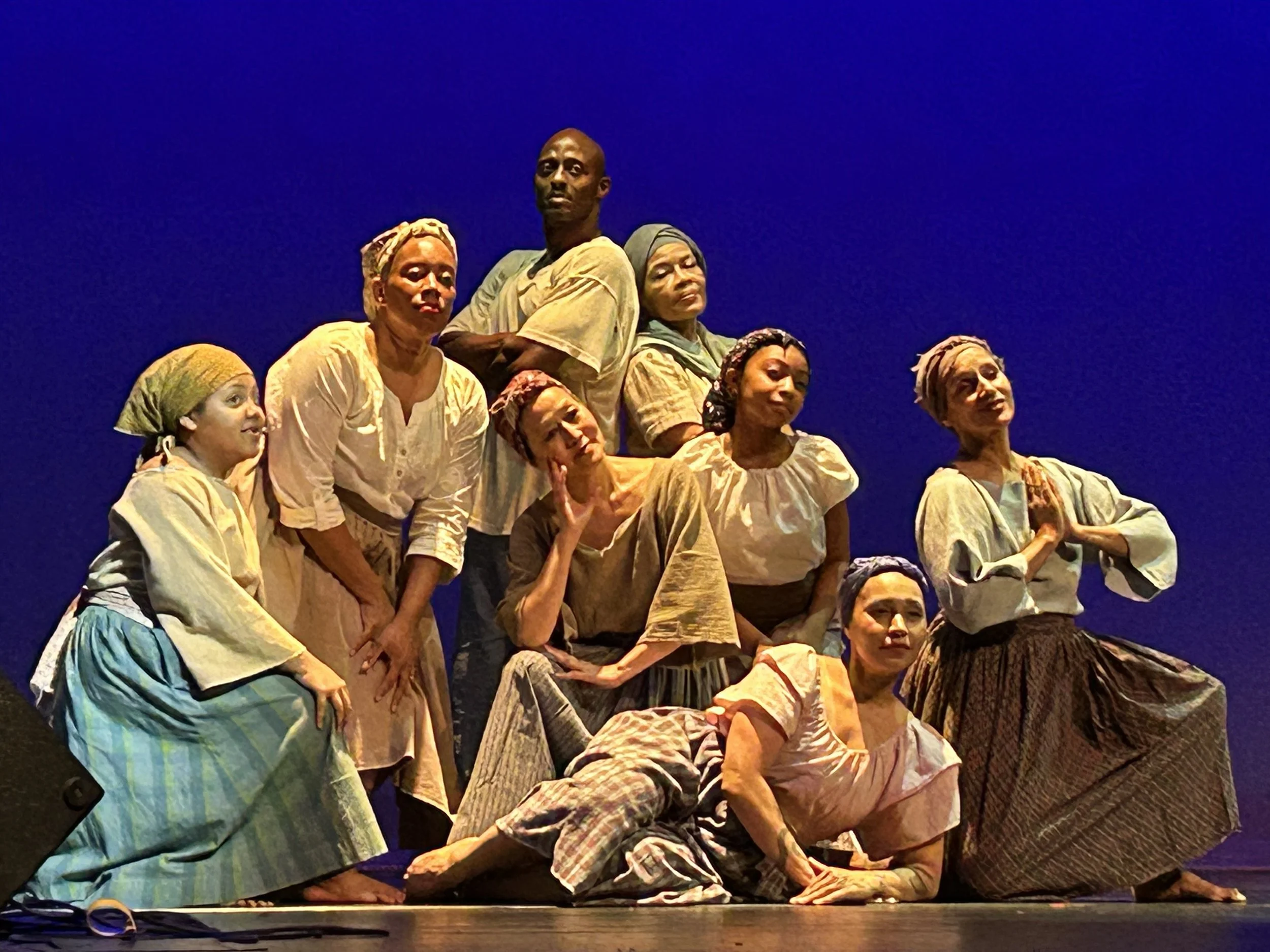
Through a seamless blending of dance, spoken word, music, and spirituals, Sister Moses carried the audience into the life and legacy of Harriet Tubman—known to her people as Moses. Each movement held weight. Each pause spoke volumes. Freedom, the production reminded us, was never abstract. It was walked, sung, prayed, and fought for—step by step, body by body, community by community.
Before the curtain rose, Master of Ceremonies Roderick Emanuel welcomed the audience, setting the tone for the evening. He spoke of the dedication, passion, and creativity of the performers, and invited the audience not just to watch, but to participate—to listen deeply and prepare themselves for the story about to unfold.
The evening opened with a collective moment of reverence as the audience stood to sing Lift Every Voice and Sing, often called the Black National Anthem. Written by James Weldon Johnson in 1900, the hymn anchored the room in themes of hope, resilience, and faith—calling everyone present into shared memory and purpose.
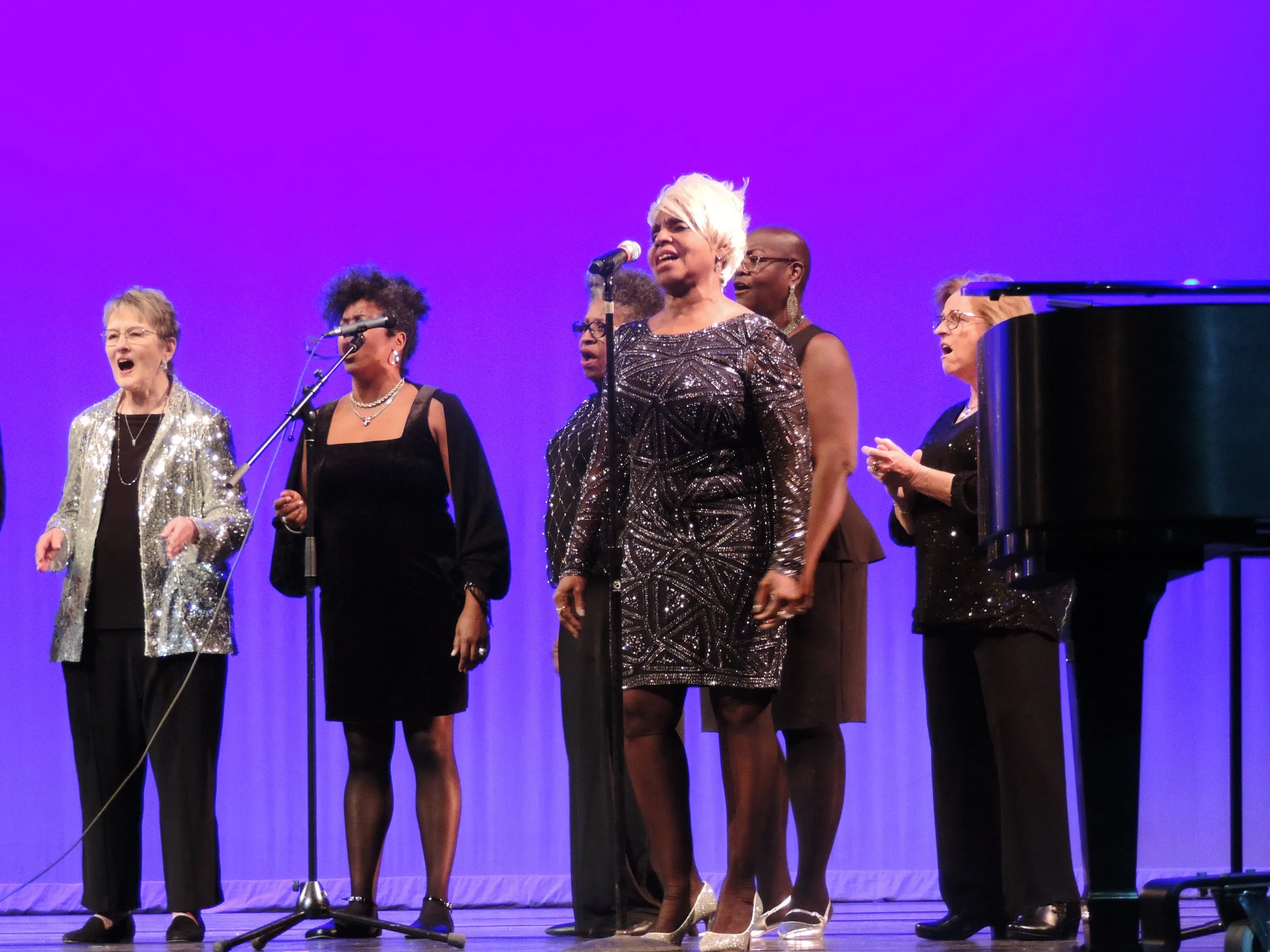
Music flowed throughout the production, led by the Bastrop Community Singers, the Sister Moses Choral Ensemble, and musicians whose voices and instruments carried spirituals that have long traveled through Black history. Songs like Woke Up This Morning with My Mind Stayed on Freedom, Wade in the Water, and Keep Your Eyes on the Prize did more than accompany the dancers—they summoned history into the present moment.
One of the most haunting moments came with Strange Fruit, a protest song made famous by Billie Holiday. Through movement and restraint, the performance confronted the brutal reality of racial violence in America, leaving the audience in reflective silence before continuing forward—just as history demands.
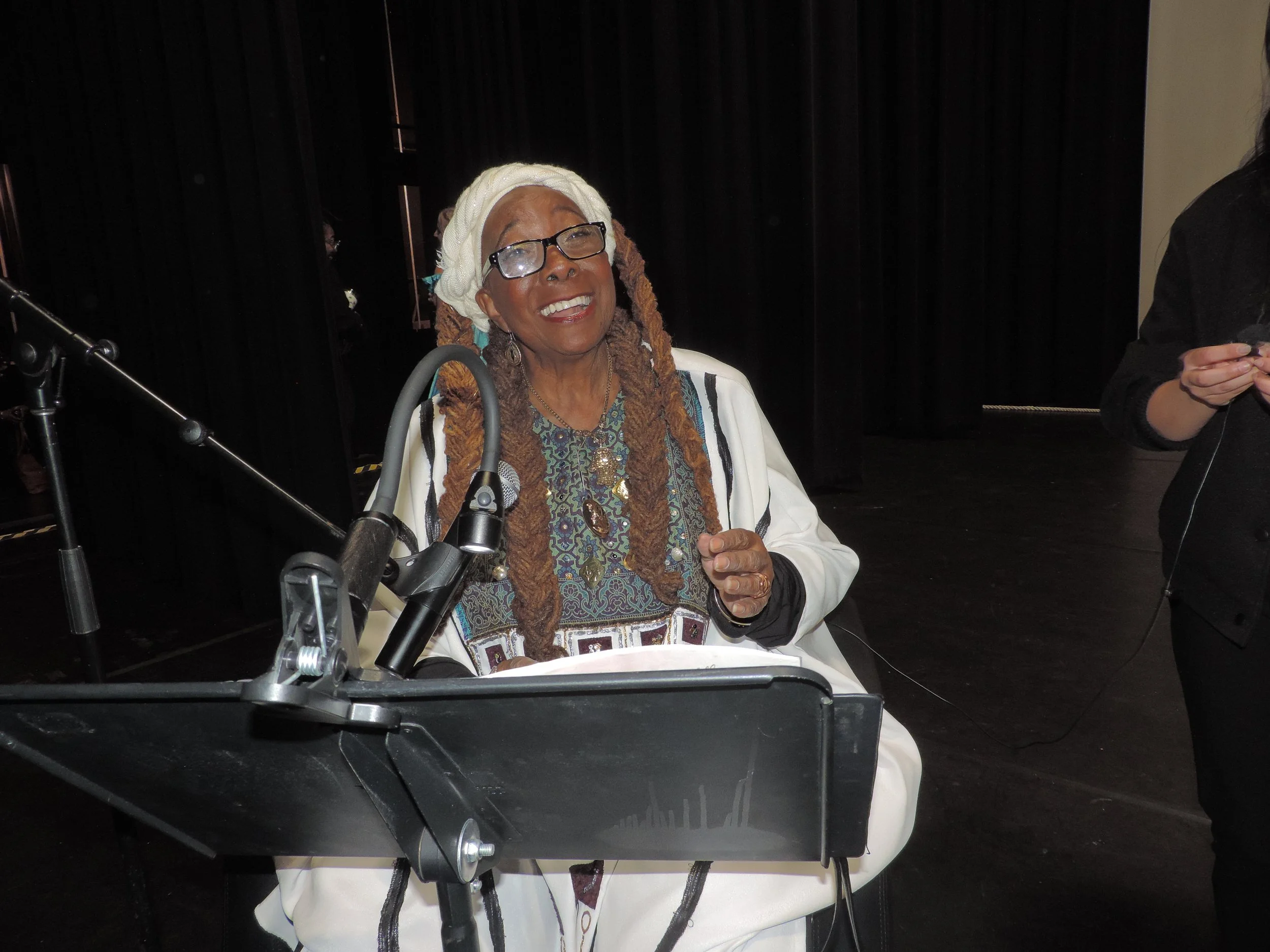
A spoken-word portrait of Harriet Tubman followed, recited with clarity and conviction, honoring her courage, determination, and refusal to accept oppression. Her story unfolded not as myth, but as lived experience—marked by danger, sacrifice, and unwavering resolve. Nineteen times, the production reminded us, Tubman returned to the South to lead others to freedom. She did not move alone then, and she does not stand alone now.
The second act introduced Freedom Calling, a dance piece created in 2024 in connection with a Harriet Tubman traveling sculpture at the Kerr Community Center. The choreography embodied Tubman’s desire not only to escape, but to return—to bring others with her. Themes of resilience, faith, and community moved across the stage, carried by dancers whose bodies spoke where words could not.
As the night built toward its close, the audience was no longer separate from the performance. Clapping, singing, and movement rippled through the room, blurring the line between stage and seat. The message was clear: liberation is not passive. It requires participation.
When the final notes faded and the curtain held, the audience remained—standing, applauding, holding space for what had been shared. Sister Moses did not offer an easy ending. It offered a truthful one.
In Bastrop, on this final performance of the night, history did not sit quietly in the past. It rose. It moved. It danced.
And for those present, it lingered—asking not only to be remembered, but to be carried forward.
