
Lunch & Learn: Authors Illuminate the Legacy of African American Settlements in Bastrop County
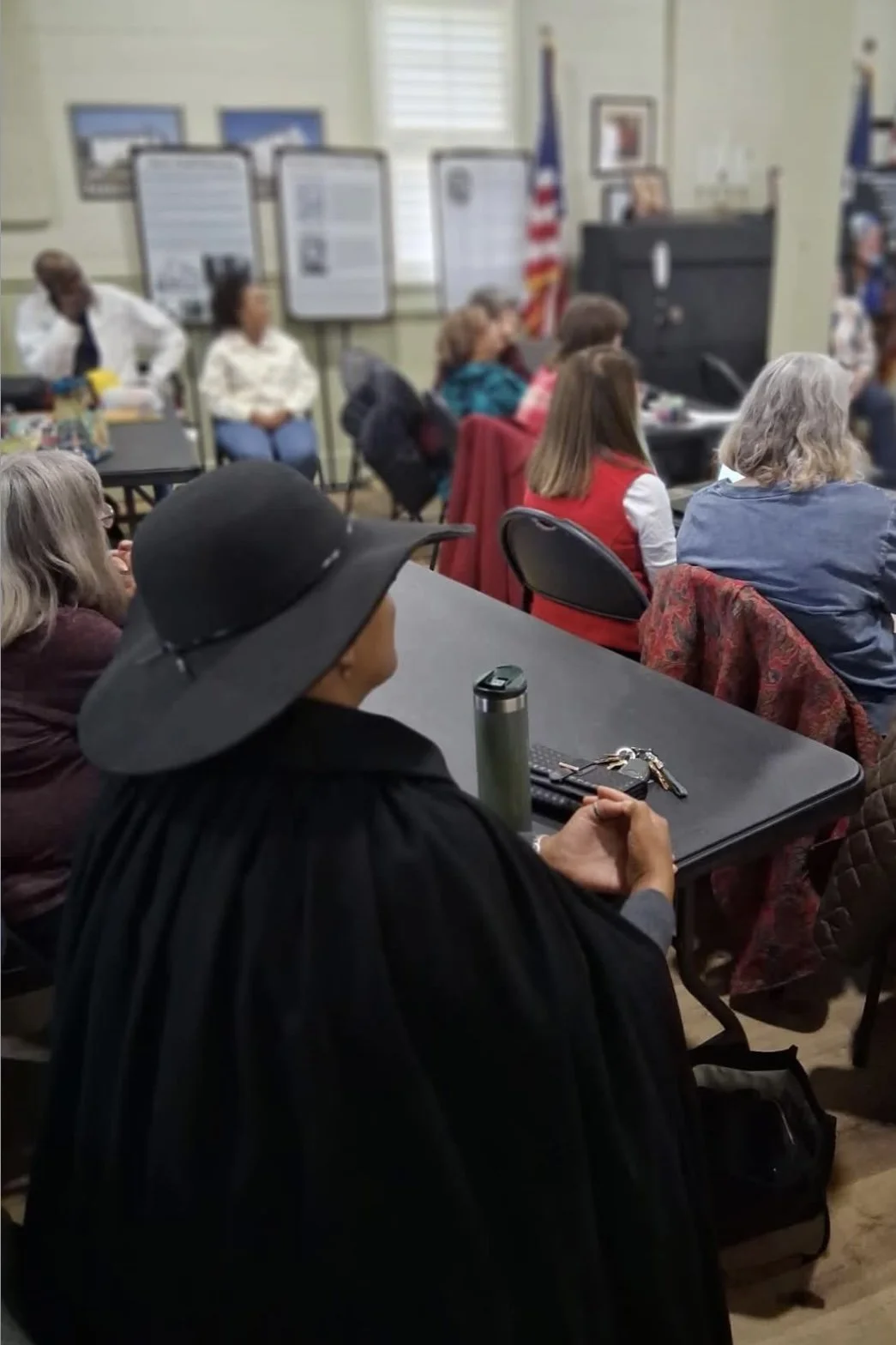
The Kerr Community Center—one of Bastrop’s most cherished historic spaces—filled with conversation, shared history, and the rustle of turning pages during Wednesday’s Lunch & Learn on African American Settlements in Bastrop County. Hosted in partnership with the Bastrop County Museum & Visitor Center, the Bastrop County African American Cultural Center & Freedom Colonies Museum, and the Kerr Community Center, the gathering brought together authors whose work preserves the stories of the families and settlements that shaped this region.
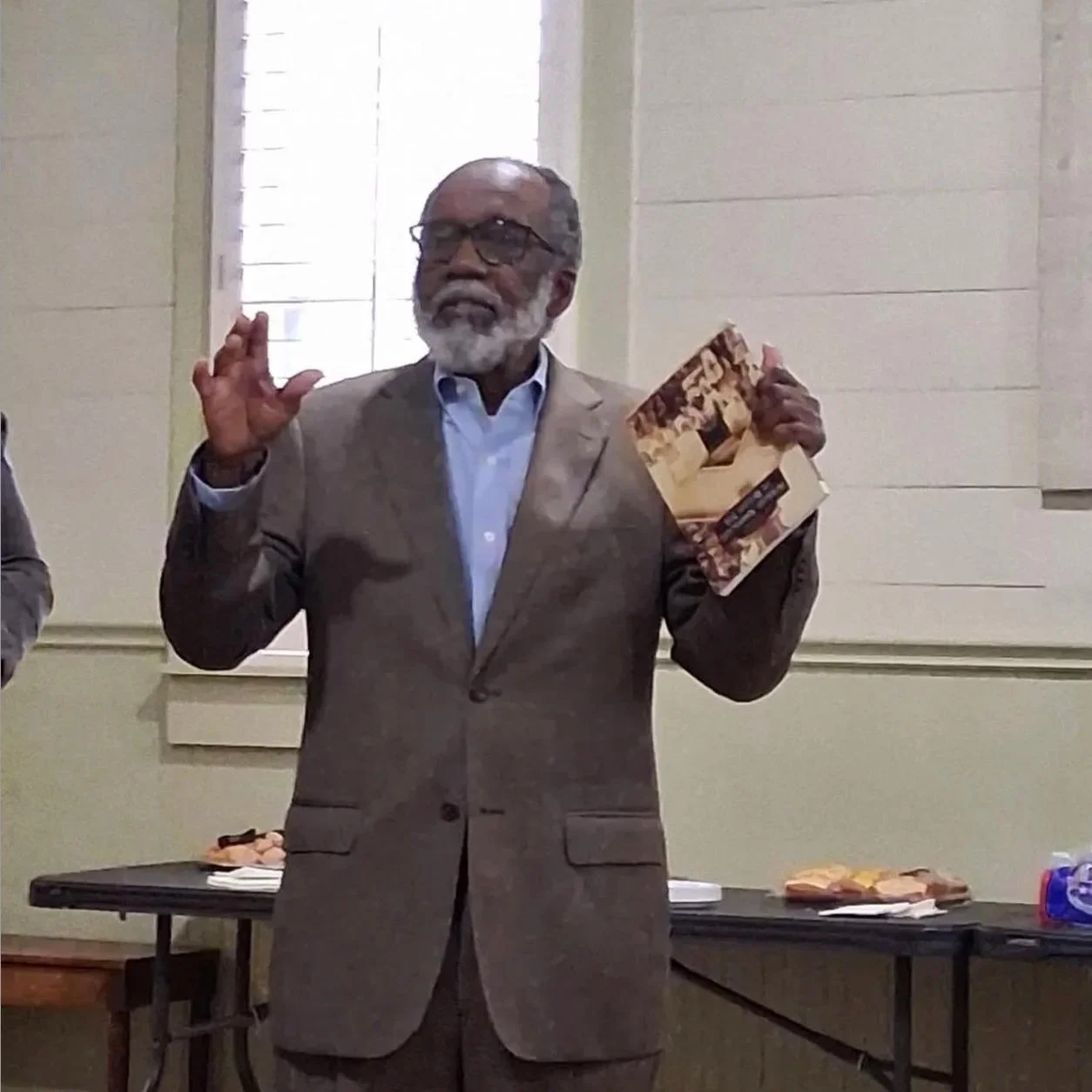
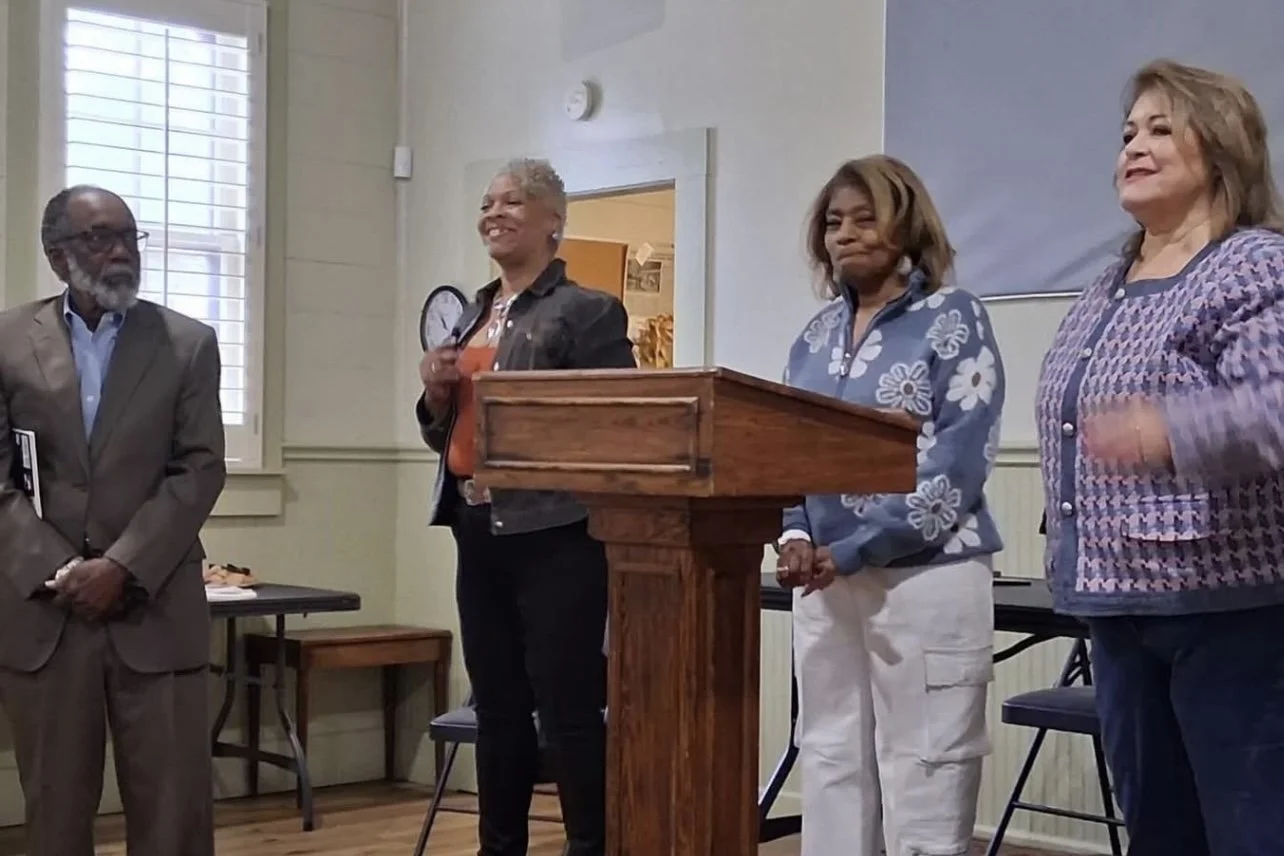
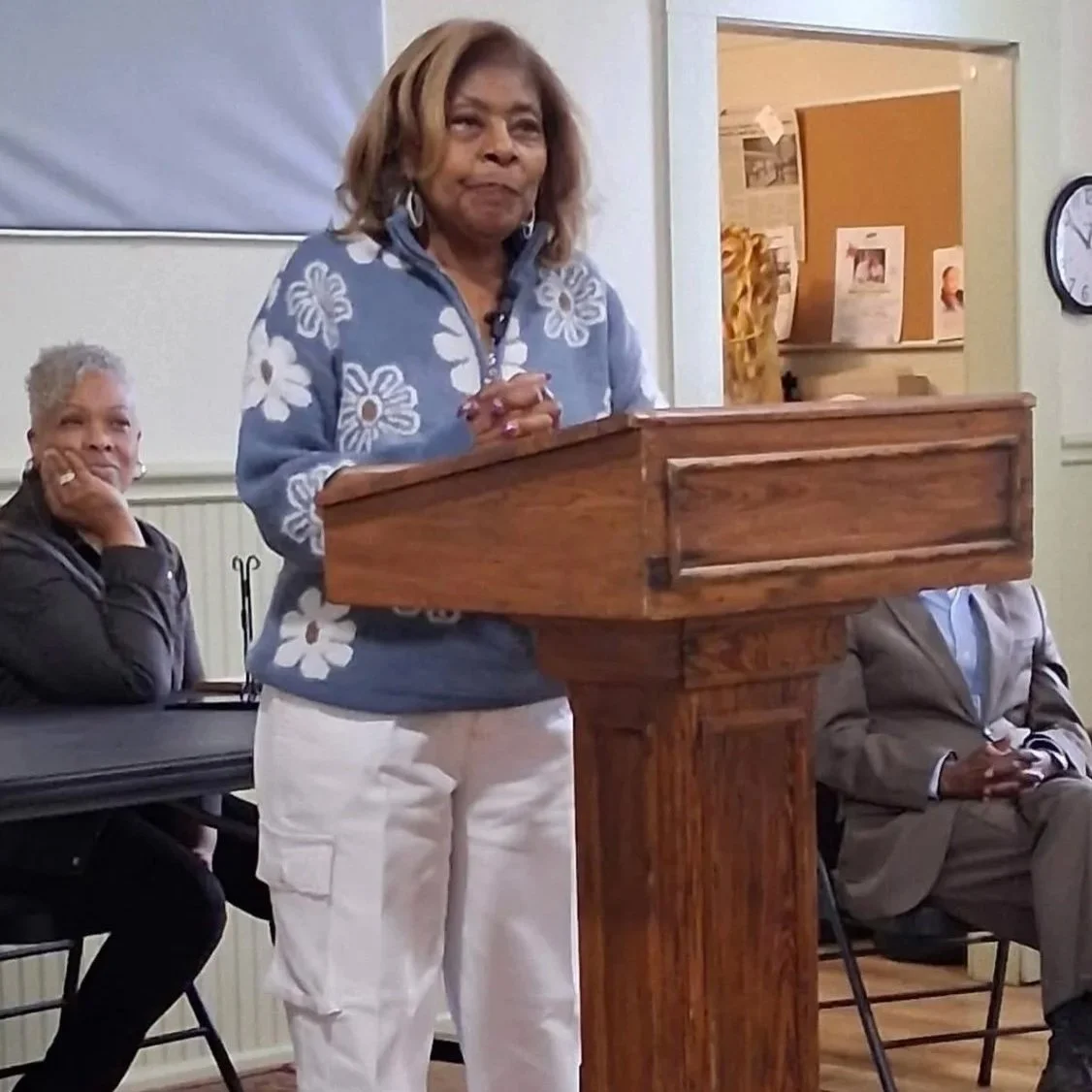
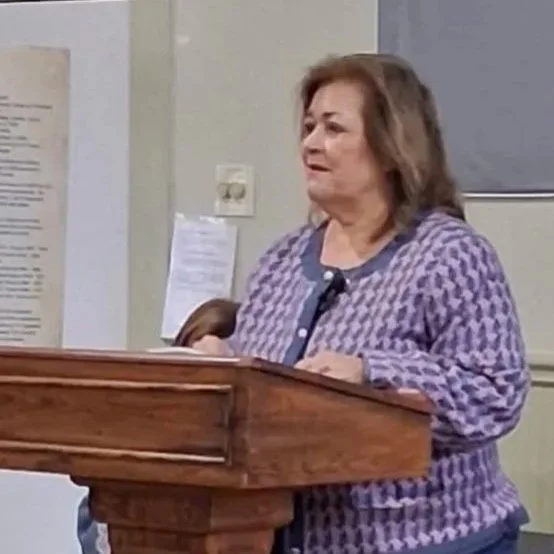
Audience members settled in with their lunches while the authors—David Collins, Barbette Mays, Libby Sartain, and Diane Mills—prepared to present insights from years of personal research, archival discovery, and family memory. Museum representative Michal Hubbard opened the program, reminding attendees that writing one’s ancestral story is an act of courage—and an act of preservation. “The people who came before us,” she said, “left truths that shape who we are today.”
Tracing the Freedom Colonies: A Journey Through Memory and Migration
David Collins
Collins began with a vivid account of his childhood in Doaks Springs and the early stirrings of his genealogical quest—sparked by stories his grandfather shared while they worked together on the family farm. His narrative then traversed decades, weaving in his professional journey with engineering firms and contracts that connected him to clients in Saudi Arabia, Germany, Brazil, and across Africa. Through these encounters—especially the foods and cultural practices he observed—he recognized striking parallels to African American traditions, revealing the deep and often overlooked connections that link communities across the world.
He went on to describe his extensive mapping of Freedom Colonies throughout Bastrop, Lee, and Fayette counties, detailing how African Americans purchased land, built self-sustaining communities, and preserved autonomy despite the profound challenges of post-emancipation life. His research continues to illuminate genealogical pathways for descendants, offering families vital links to their origins, migrations, and enduring legacies.
Barbette Mays
Mays offered a deeply personal insight into the Sutton and Williams families of Piney, Barton Hills, and Utley. What began as research for a family reunion blossomed into her book From Suddath to Sutton, tracing eight generations using color-coded family lines—from Kentucky to the Civil War and finally to Bastrop County. She shared the remarkable story of her great-great-grandfather, a formerly enslaved man who fought in the Union Army and later purchased land in Piney. The audience listened intently as she shared her discovery that her great-great-grandmother was likely of Mexican descent and spoke Spanish—an insight that opened up new ways of understanding her family’s migration, identity, and community roots.
Libby Sartain
Sartain captivated the audience with the unlikely friendship that led her into the deeper truth of her family's history. What began as a restoration project on her ancestral home in Hills Prairie became a decades-long journey into the lives of the enslaved people who lived on the property. Her book, Reclaiming Hills Prairie, tells a story of reckoning with the past through relationships forged with descendants of those once enslaved by her family. She recounted the moment she realized that those gathered in her ancestral cemetery were descendants of individuals once enslaved by her family—bound not by blood, but by a deeply intertwined and complicated shared history. Through their oral histories, including the story of “Becky,” believed to be Diane Mills’s third great-grandmother, she came to understand how deeply the lives of the Hill and Shelton families had been woven together across generations.
Diane Mills
Closing the author presentations, Mills shared the legacy of her grandfather, historian T.C. Franklin, whose writings formed the foundation of her book Black History of Bastrop County 1821-1988: Based on the research of T. C. Franklin. After discovering bins of handwritten notes, poems, and early drafts among her family’s belongings, Mills committed herself to preserving and publishing the work. Her book chronicles the history of enslaved families brought to Bastrop County, the early institutions they created, and the land ownership that followed emancipation. She emphasized that many Freedom Colonies existed quietly beyond public awareness, and that preserving this history requires community involvement, archives, and storytelling.
Community Questions & Shared Discoveries
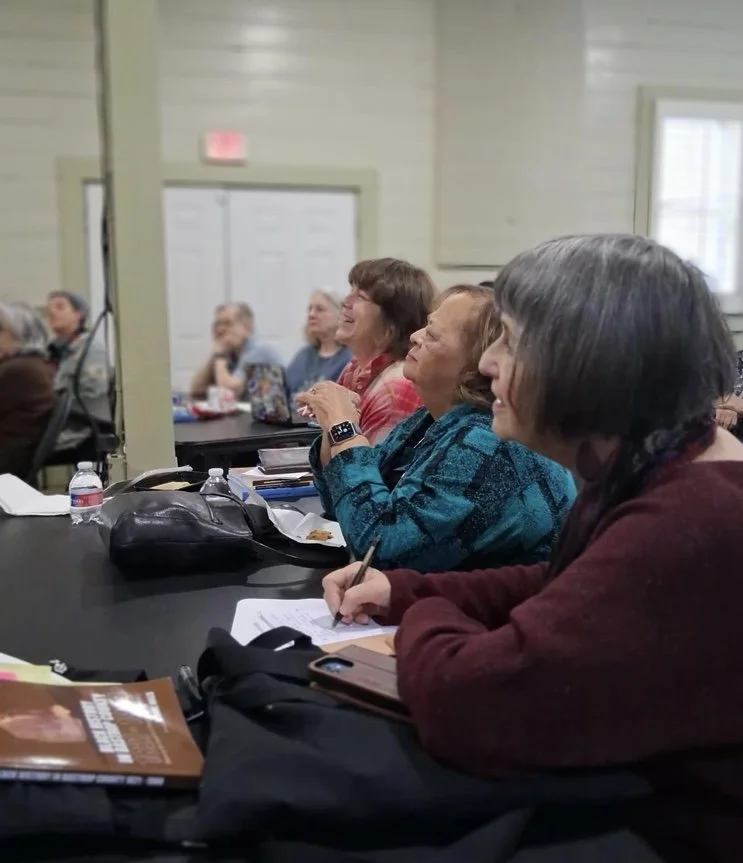
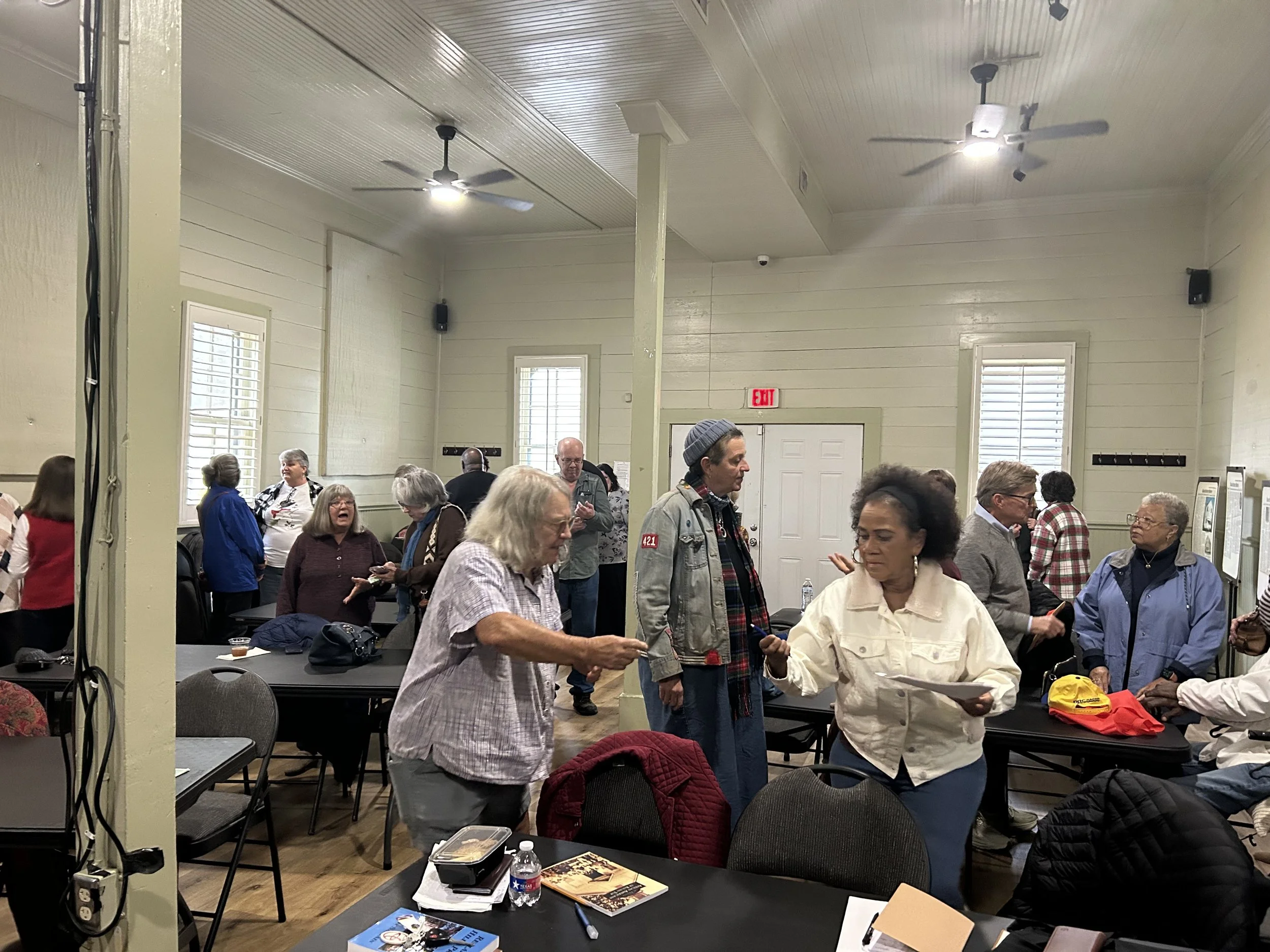
Following the presentations, attendees engaged the authors with questions about land acquisition, migration patterns, and the survival of Freedom Colonies. A key insight emerged repeatedly: While some settlements like St. John Colony remain vibrant, many Freedom Colonies dissolved into surrounding towns as schools closed, land changed hands, and families migrated for opportunity. Still, as the authors attested, the stories live on—in land records, in oral histories, and most importantly, in descendants committed to preserving them.
A Gathering of Past and Future
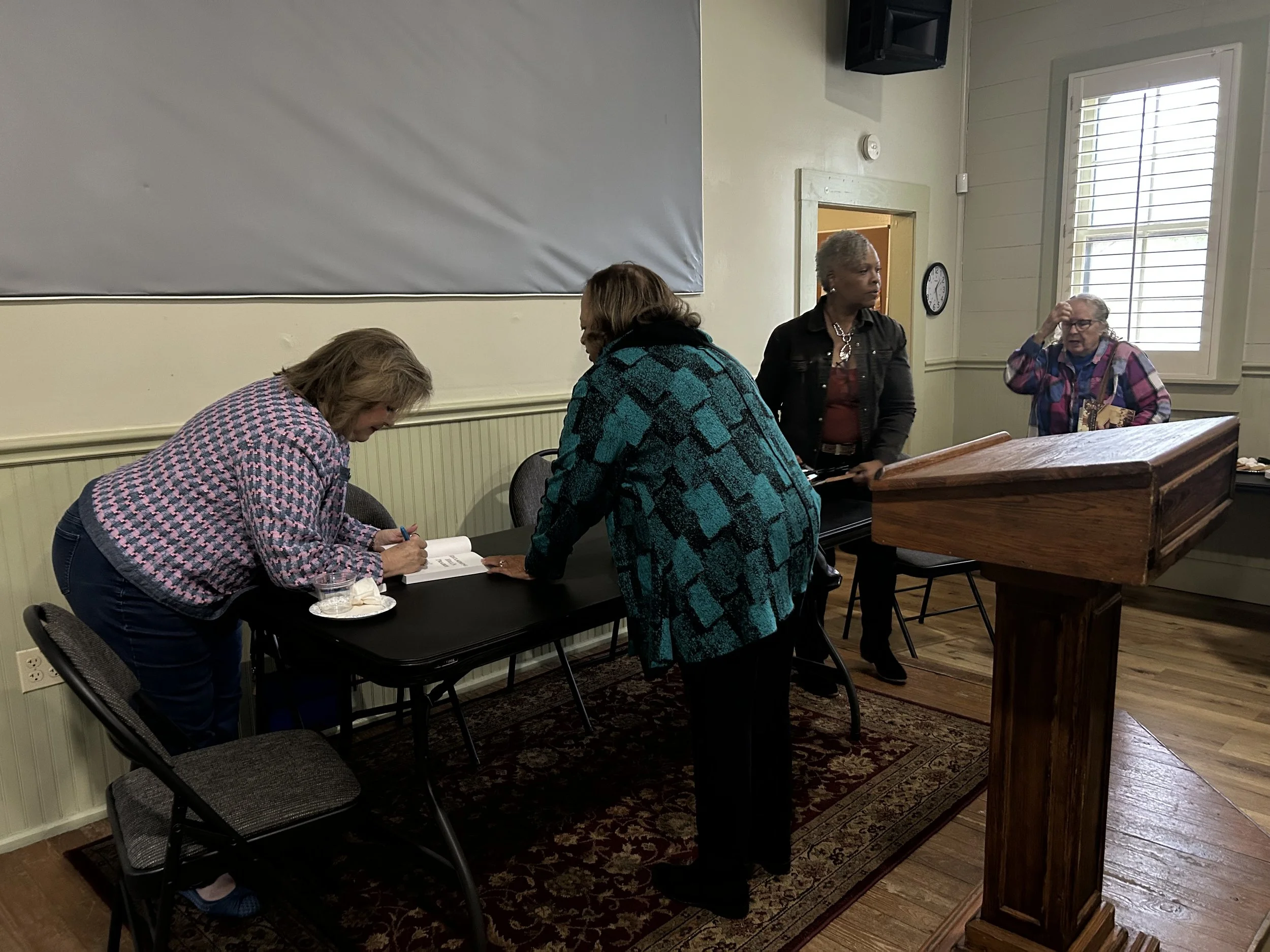
The Lunch & Learn concluded with warm conversations, book signings, and the unmistakable sense that history had not only been taught but shared. Authors and attendees alike reflected on the profound connection between ancestry and identity, and the importance of documenting stories before they are lost.
In the words of one participant:
“We are the sum of those who came before us — and these stories help us remember who we are.”
